
 1300 285 885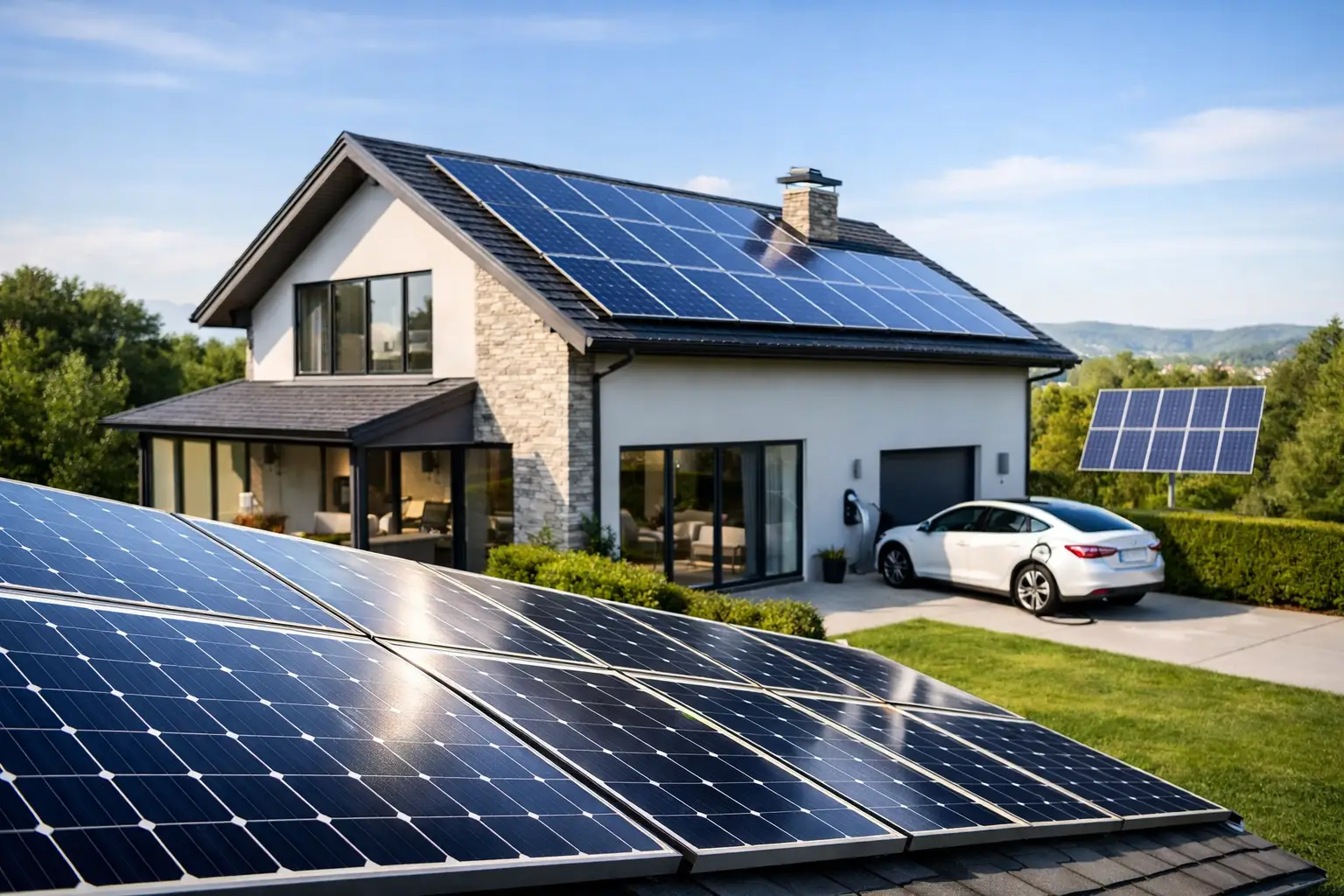
A big electricity bill usually starts the same question: can solar power whole house energy needs, not just shave a little off the bill? For many Australian households, the answer is yes for a large share of annual usage. But running every appliance, every night and through every stretch of cloudy weather is a different goal. The right answer depends on your energy habits, roof space, system size and whether you add battery storage.
Solar can make a serious difference to household energy costs when it is designed around how your home actually uses power. A well-sized system can generate most or all of a home’s electricity across a year, while a battery can keep more of that generation available after sunset. The key is choosing a practical setup rather than chasing a one-size-fits-all promise.
Can solar power a whole house in Australia?
Yes, solar can power an entire house while the sun is shining if the system is producing enough electricity for the appliances running at that time. Your panels may power lights, refrigeration, Wi-Fi, TVs, pool equipment, air conditioning, cooking and more. Any spare generation can be exported to the grid or stored in a compatible battery.
At night, solar panels do not generate electricity. A grid-connected home then draws electricity from the grid unless it has stored solar energy in a battery. That is why many homes describe solar as powering the whole house without necessarily being fully off-grid. They use solar first, rely on the grid when needed, and dramatically reduce the amount of electricity they buy.
This distinction matters. For most households, a grid-connected solar and battery system delivers a strong balance of savings, reliability and flexibility. Going completely off-grid requires enough panels and battery capacity to cover winter production, overnight demand and several poor-weather days. It can suit remote properties, but it is a much bigger design task than standard residential solar.
What determines whether solar can run your home?
Your electricity consumption is the starting point. A household using modest daytime power has different needs from a large family home with ducted air conditioning, a pool pump, induction cooking and an EV charger. Looking at your electricity bills shows how many kilowatt-hours you use, when you use them and whether your usage rises sharply in summer or winter.
The next factor is when that electricity is used. Solar production is strongest during daylight hours, generally around the middle of the day. Homes that can run major loads while panels are generating – such as laundry appliances, pool pumps, dishwashers or EV charging – get more value from their own solar generation.
Your roof also shapes the result. Orientation, tilt, available area and shading from trees, neighbouring buildings or roof features all affect output. North-facing panels remain highly effective in Australia, but east and west-facing arrays can be a smart choice too. They spread production into the morning and afternoon, which may better suit homes where people are out during the middle of the day and return later.
Finally, system quality and design matter. Panels, inverter capacity, panel layout, battery compatibility and safe installation need to work as one system. A larger system is not automatically better if it does not suit your consumption pattern or roof conditions.
A practical guide to common system sizes
A 6.6kW solar system is often a solid starting point for a medium household with typical daytime use. It can make a meaningful reduction to grid consumption, especially when appliances are scheduled for sunny hours.
Larger households or homes with high electricity demand may benefit from systems in the 10kW to 13kW range, subject to roof space, local network requirements and usage. These systems can better support multiple daytime loads, including air conditioning and an EV charger. Bigger properties and small businesses may require a tailored commercial-size solution.
The right system should be based on your bills and future plans, not only what your household uses today. If you expect to install an EV charger, replace gas appliances with electric options, add a pool or work from home more often, factor that increased demand into the design from the outset.
Solar panels alone versus solar with a battery
Solar panels without a battery are an excellent option for households that use a good portion of their electricity during the day. The system powers the home first, then sends surplus energy to the grid. When the sun goes down, the home imports power as usual.
Adding a battery changes how you use your solar. Instead of exporting all excess daytime generation, you can store some for evening use. This can help reduce grid reliance at the time many families use the most electricity – cooking dinner, running heating or cooling, watching television and charging devices.
A battery is not always necessary to make solar worthwhile. It depends on how much excess solar you generate, your evening usage, your electricity plan and your goal for energy independence. For households with high after-dark consumption, it can be a strong addition. For others, starting with battery-ready solar may be the sensible path, allowing room to add storage later.
Backup power is another separate consideration. Not every battery automatically powers your home during a blackout. If blackout protection matters, the system needs the appropriate backup capability and must be designed around the circuits you want to keep running. Essential loads often include lights, refrigeration, internet and selected power points. Running every high-demand appliance during an outage may require a larger, more specialised configuration.
How to make a whole-home solar system work harder
The most effective solar households actively match demand to daylight. This does not mean changing every routine. A few simple habits can increase solar self-consumption and reduce grid imports.
Set pool filtration for daytime, use appliance timers where practical, and charge an EV when solar production is strong. If you have reverse-cycle air conditioning, pre-cooling or pre-heating the home during sunny periods may reduce evening demand. Smart energy monitoring can also show which appliances are drawing the most power and when.
Energy efficiency still matters. Solar is more effective when it is not carrying unnecessary waste. Efficient heating and cooling, sensible temperature settings, insulation, LED lighting and well-maintained appliances all reduce the size of the energy challenge. Solar generation and efficiency work best together.
Do you need to be off-grid to power a whole house?
No. Most Australian homes with solar remain connected to the grid, and for good reason. The grid acts as a reliable backup when solar output is low or household demand is unusually high. You can still generate a substantial amount of your own power and reduce exposure to rising electricity costs without taking on the complexity of full off-grid living.
An off-grid system needs enough capacity for the worst conditions, not just average sunny days. That includes overnight energy, winter output, rainy periods and high-demand appliances. It may also need a backup generator. For regional or remote sites where grid connection is unavailable or impractical, that investment can make sense. For a typical suburban home, grid-connected solar with optional battery storage is usually the more practical route.
Start with your real usage, not a guess
The best way to answer whether solar can power your whole house is to assess your recent electricity use, roof layout and future plans. A quality installer should explain expected production, how much energy you are likely to use directly, what may be exported, and where a battery could make a difference. They should also help you understand available STCs and relevant state-based incentives without making unrealistic promises.
Solar Miner helps homeowners match trusted solar technology to the way their property uses energy, from efficient household systems through to larger solar and battery solutions. The aim is simple: build a reliable system that reduces your dependence on the grid and gives your home more control over its energy.
A whole-home solar outcome is rarely about one magic system size. It comes from a smart design, quality installation and a setup that fits the way you live. Start with your bills, think ahead to the appliances you plan to add, and choose a system built to keep delivering long after the panels are installed.