 1300 285 885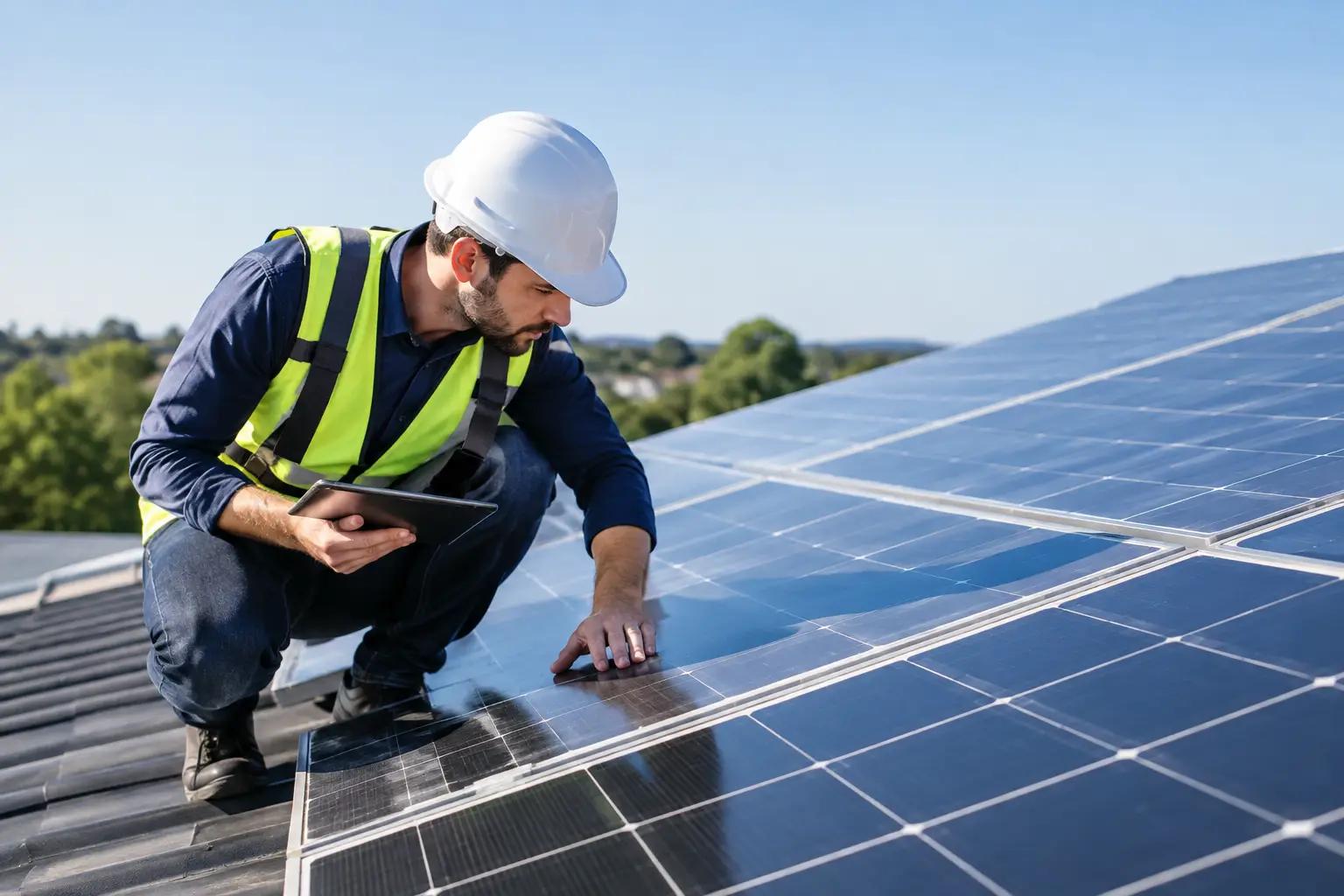
A solar system should quietly reduce your power bills for years. But if your generation drops and you only notice when the electricity bill arrives, you may have missed an issue that was easy to fix. So, do solar panels need servicing? Usually, the panels themselves need very little hands-on maintenance, but the complete solar system deserves regular attention.
For Australian homes and businesses, the best approach is simple: monitor performance, keep an eye out for visible changes, and arrange a professional inspection when the system is not producing as expected or at sensible intervals. That protects your savings, supports long-term reliability and gives you confidence that every panel is working as hard as it should.
Do solar panels need servicing every year?
Solar panels have no moving parts, which is one reason they are such a reliable investment. Rain will remove much of the ordinary dust from panels installed at an appropriate angle, and quality equipment is built to handle heat, wind and changing weather conditions.
That said, a solar system is more than the panels on your roof. It also includes mounting hardware, cabling, isolators, an inverter and, in some cases, a battery, consumption monitor or EV charger. These components operate in tough outdoor conditions and should not be ignored simply because the system appears to be running.
An annual service is not necessarily essential for every system. A well-performing residential system in a clean, low-dust area may only need a professional health check every one to two years. Systems near the coast, in rural or dusty areas, beneath heavy tree cover, or on commercial sites with higher energy demands may benefit from more frequent inspections.
Always check the warranty documents supplied for your specific panels, inverter and battery. Some manufacturers or installers may set particular maintenance requirements. If you are unsure, a qualified solar technician can advise on the right schedule for your equipment and location.
What a professional solar service should check
A proper solar service is a system health check, not just a quick look at the panels from the ground. A qualified technician can safely test components that homeowners should never attempt to access themselves.
They will typically assess whether the panels are secure and free from damage, look for signs of water ingress or corrosion, and check that mounting rails and roof penetrations remain sound. They can inspect exposed cabling, connectors and electrical protection devices for wear, pest damage or deterioration caused by harsh weather.
The inverter also needs attention. It is the part of your system that converts solar energy into usable electricity, and it provides valuable clues when something is wrong. A technician can review fault codes, operating history and production patterns to identify underperformance that is not obvious on a sunny day.
For systems with batteries, servicing may include checking battery status, communication settings, ventilation and software updates where applicable. Commercial and industrial sites may also require a more detailed review of monitoring, switchboards and safety systems due to their larger system size and higher energy use.
Signs your solar system needs attention sooner
You do not need to wait for a scheduled inspection if the system gives you a reason to investigate. Monitoring apps make it much easier to spot a change in output, particularly when you compare generation against similar weather conditions from the previous year.
Book a qualified technician if you notice any of the following:
- Your inverter displays a fault message, warning light or is regularly switching off.
- Solar production has dropped noticeably without an obvious reason, such as several days of heavy cloud.
- A panel is cracked, discoloured, loose or visibly damaged after a storm.
- You can see damaged cables, chewed wiring, corrosion or signs of water around electrical equipment.
- New shading has developed from tree growth, a neighbouring structure or rooftop additions.
- Your battery is not charging or discharging as expected, or its monitoring data has stopped updating.
A sudden issue should be treated seriously. Do not open electrical enclosures, touch wiring or climb onto the roof to investigate. Switch off equipment only if it is safe to do so and according to the shutdown instructions supplied with your system, then contact a qualified professional.
Does your solar system need cleaning?
Not always. Light dust and general grime are usually not a reason to clean solar panels, particularly in areas that receive regular rainfall. Cleaning too often can create unnecessary risk, while using abrasive tools, harsh chemicals or high-pressure water can damage panels, seals or mounting components.
Cleaning may be worthwhile when there is a clear build-up of bird droppings, salt residue, industrial pollution, ash, leaves or thick dust. This is more common in dry inland areas, near the coast, close to construction sites or where panels sit beneath trees.
The key is to connect cleaning with performance. If panels look dirty but generation remains consistent with expected output, there may be little to gain. If heavy soiling is clearly affecting output, use a professional solar panel cleaning service that follows safe access and manufacturer-recommended methods. Never walk on panels, and never use a pressure washer.
Monitoring is the easiest form of maintenance
The smartest solar maintenance habit takes less than a minute. Check your inverter or monitoring app regularly, particularly during the sunnier months when your system should be generating strongly.
Look for broad trends rather than chasing identical daily figures. Output naturally changes with cloud cover, seasons, panel orientation and temperature. A hot summer day, for example, may have plenty of sunshine but lower-than-expected output compared with a cooler clear day because panels lose some efficiency in extreme heat.
What matters is a sustained, unexplained decline. If your system produced reliably last spring but is now generating far less in similar conditions, it is time to investigate. Early action can prevent a small fault from becoming a longer period of lost solar generation.
For businesses, monitoring is even more valuable. A larger system can have a meaningful impact on operating costs, so production data should be part of regular site management. Automated alerts can help identify inverter faults or communication problems before they affect savings for weeks.
Trees, storms and pests can affect performance
Solar panels are durable, but the environment around them changes. Trees grow, birds nest, storms move debris and rodents can sometimes damage exposed wiring. A quick visual check from the ground every few months is a practical way to spot potential issues.
Keep nearby branches trimmed by an appropriately qualified contractor so they do not cast growing shade across the array or scrape against panels in high winds. After severe weather, look from a safe position for broken glass, displaced panels, loose debris or water damage around the inverter.
Shade is especially worth watching because it can develop gradually. Even partial shading can reduce generation, depending on the system design and the time of day it occurs. If your property has changed since installation, a solar professional can assess whether trimming, system adjustments or additional technology may help recover performance.
Protect your solar investment with the right support
Good solar servicing is not about creating work where none is needed. It is about making sure the system that was designed to lower your reliance on grid electricity continues to deliver dependable results.
Choose a qualified technician with experience in the equipment installed at your property, and keep your installation documents, warranty details and monitoring records in one place. If your system is underperforming, clear records make it easier to diagnose the cause and determine the next step.
Solar Miner helps Australian homeowners and businesses choose quality solar solutions sized for their energy needs, with support from installation through to ongoing system confidence. A well-designed system, paired with simple monitoring and timely professional checks, gives you the best chance of enjoying clean energy for the long haul.
Your panels should not demand constant attention. They should simply keep producing – and when they do not, a prompt, qualified inspection can put your savings back on track.