
 1300 285 885
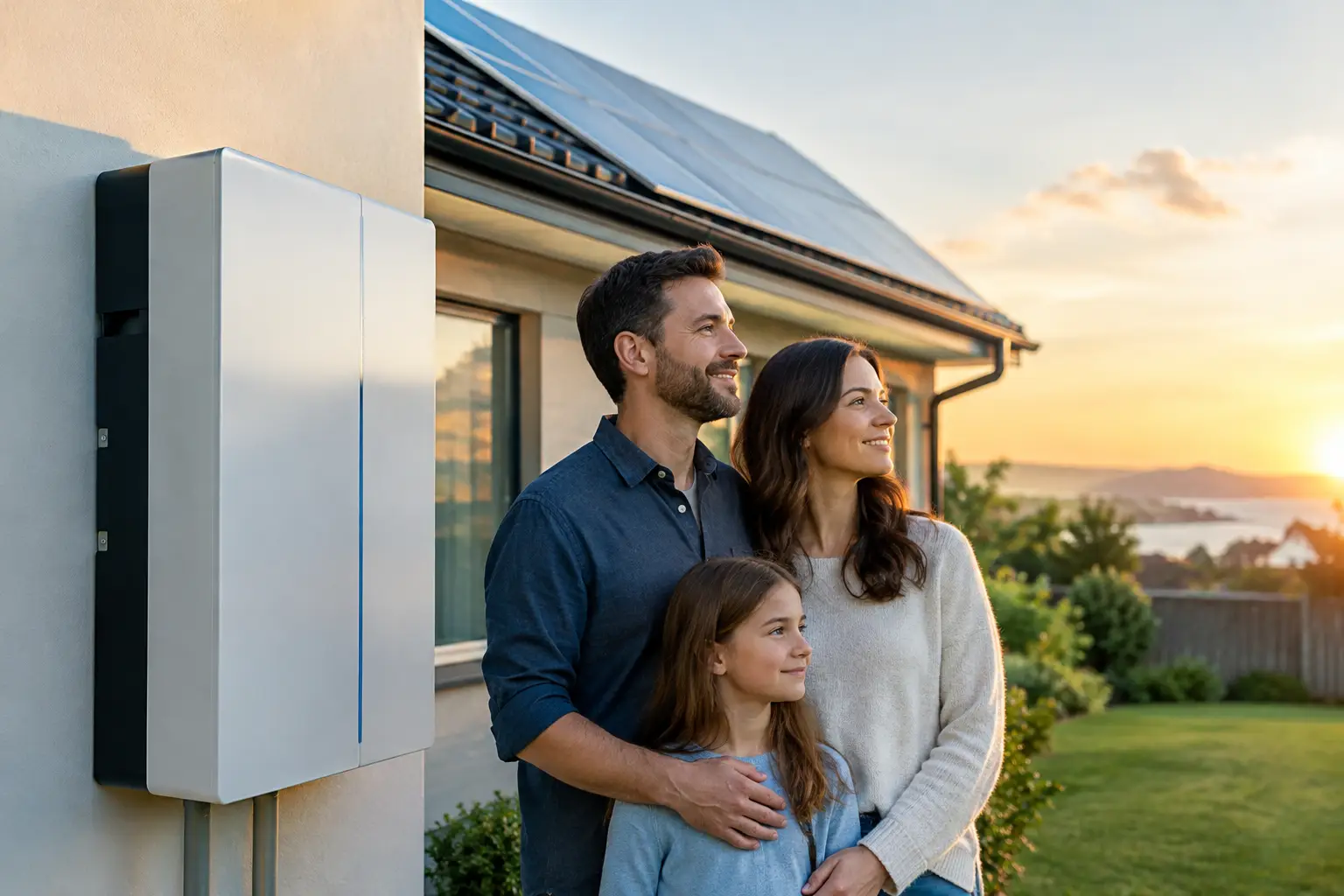
A solar battery sits quietly on a wall or in a garage, storing the electricity your panels produce for use after sunset. Yet for many households, one question comes before savings or backup power: are solar batteries safe?
The short answer is yes – when the battery is quality-approved, correctly sized and professionally installed. Like any major electrical equipment, a battery carries some risk. But modern systems include multiple layers of protection, and Australian installation rules are designed to manage the risks of fire, electrical faults and overheating before they become a problem.
For homeowners and businesses looking to use more of their own solar energy, safety should be part of the buying decision from day one. It is not about choosing the cheapest box on the wall. It is about choosing proven technology, the right location and an installer who follows the standards.
Are solar batteries safe when installed correctly?
Modern solar batteries are engineered with safety at their core. They use a battery management system, often called a BMS, to constantly monitor temperature, voltage and current. If the system detects conditions outside its safe operating range, it can reduce output or shut down before damage occurs.
Most home battery systems sold in Australia use lithium-ion technology. Lithium iron phosphate, or LFP, is especially common in residential batteries because it is known for strong thermal stability and a long operating life. Other lithium-ion chemistries can also be safe when designed, certified and installed properly, but the chemistry is only one part of the picture.
A safe system is a complete system. The battery, inverter, cabling, isolators, mounting hardware and switchboard protection must work together. That is why a trusted brand and professional installation matter as much as the battery itself.
There is no honest claim that any electrical product is completely risk-free. A battery can be damaged by a manufacturing fault, physical impact, water ingress, poor wiring or excessive heat. The good news is that these events are uncommon in professionally installed systems, and the standards, product testing and built-in safeguards now in place substantially reduce the risk.
What makes a solar battery system safe?
Quality solar batteries have protection built into both the product and the installation. The battery management system is the first line of defence. It manages charging and discharging, prevents overcharging, detects faults and helps keep battery cells within their safe temperature range.
The inverter also plays an important safety role. It converts stored DC electricity into usable AC electricity for your home or business, while monitoring grid conditions and system performance. If there is an issue with the grid or a fault in the system, it is designed to disconnect safely.
Physical design matters too. Reputable batteries have durable enclosures, protected connections and cooling features suited to their intended environment. Depending on the model, the enclosure may be suitable for outdoor installation or require a more sheltered location. Your installer should never assume every battery suits every wall, garage or side passage.
In Australia, battery energy storage installations must meet strict electrical and installation requirements, including AS/NZS 5139 for battery systems and relevant wiring rules. These requirements cover practical details that make a real difference, including clearances, emergency access, signage, ventilation considerations and where equipment can be located.
Where should a solar battery be installed?
Location is one of the most important safety decisions. A battery should be placed where it is protected from damage, excessive heat and water, while remaining accessible for inspection and servicing.
For many homes, a garage wall is a practical option. It is sheltered, accessible and away from the main living areas. An external wall can also work well when the battery model is rated for outdoor use and the location is protected from harsh afternoon sun and direct weather exposure.
A qualified installer will assess the property before recommending a position. They will consider the battery manufacturer’s instructions, local requirements, access routes and nearby building features. Batteries are generally not placed in bedrooms, living rooms or other habitable spaces. They must also be kept clear of exits, windows, doors and areas where a fault could affect safe evacuation.
Heat is particularly relevant in Australian conditions. A battery installed in full western sun can run hotter than one installed in a shaded, well-ventilated spot. High temperatures do not automatically make a battery unsafe, but they can affect efficiency and long-term performance. A well-planned location protects both your household and your investment.
Fire risk: what homeowners should know
Battery fires receive attention because they are serious when they occur. However, it helps to keep the risk in perspective. Modern solar batteries from established manufacturers are designed to prevent the conditions that lead to thermal runaway, which is a self-heating failure that can cause a lithium-ion battery fire.
The most common ways to reduce risk are straightforward: select compliant, well-supported equipment; use an accredited installer; do not modify the system; and arrange prompt inspection if the battery is damaged, flooded or showing fault messages.
Warning signs can include a persistent alarm, unusual smell, swelling, smoke, discolouration, visible damage or repeated shutdowns. If you notice any of these, keep clear of the equipment and contact your installer or the manufacturer’s support team. If there is smoke or fire, call 000 immediately. Do not attempt to open, move or extinguish a damaged battery yourself unless emergency services direct you to do so.
It is also wise to tell your home insurer that you have installed a battery system and keep your system documentation in an easy-to-find place. This includes the battery model, installer details, warranty information and shutdown instructions.
The installer is as important as the battery
A premium battery can still be compromised by poor design or rushed installation. Conversely, a properly planned installation helps your system perform safely for years.
Before work begins, a professional installer should assess your energy use, existing solar system, switchboard capacity, site layout and the most suitable battery location. They should explain whether your battery will provide backup power during a blackout, because not every battery installation includes this function by default.
The installation should include correctly rated protection devices, tidy cable management, secure mounting and clear labels. Once commissioned, the system should be tested and you should be shown how to check its status, understand basic alerts and safely shut it down if required.
Avoid unlicensed electrical work or DIY changes around the battery, inverter or switchboard. Even small alterations can affect warranty coverage, compliance and safety. If you are renovating, adding an EV charger or upgrading your solar array, have the battery system reviewed as part of the work.
Maintenance is simple, but it still matters
Solar batteries are low-maintenance, not no-maintenance. Most systems can be monitored through an app, which makes it easy to spot abnormal performance or error notifications early. Check the app occasionally, especially after severe weather or a power outage.
Keep the area around the battery clear. Do not stack boxes, pool chemicals, paint tins, fuels or garden equipment against it. Make sure vents and access panels are unobstructed, and avoid spraying the unit with a hose or pressure cleaner.
A periodic visual check is usually enough. Look for signs of corrosion, loose mounting, water damage or pest activity around cables. If anything looks different, contact a qualified solar professional rather than trying to investigate inside the unit.
Choosing a safer battery for your property
The safest battery is not simply the largest one. It is the system that matches your solar generation, evening energy use, property layout and backup-power goals. An oversized or poorly designed system may not create an immediate safety issue, but it can add unnecessary complexity without delivering the outcome you expect.
When comparing options, ask whether the battery is approved for use in Australia, what safety certifications apply, where it can be installed and how the manufacturer handles faults and warranty support. Ask your installer to explain the proposed location in plain language, including why it meets the relevant clearance and access requirements.
Solar Miner helps homeowners and businesses choose quality solar and battery solutions designed around their energy needs, site conditions and long-term goals. A tailored assessment gives you confidence that every part of the system is working toward the same result: more control over your energy, without compromising safety.
A professionally installed solar battery should give you peace of mind, not another thing to worry about. Choose proven equipment, give the installation the planning it deserves, and you can store more of your solar energy with confidence long after the sun goes down.