
 1300 285 885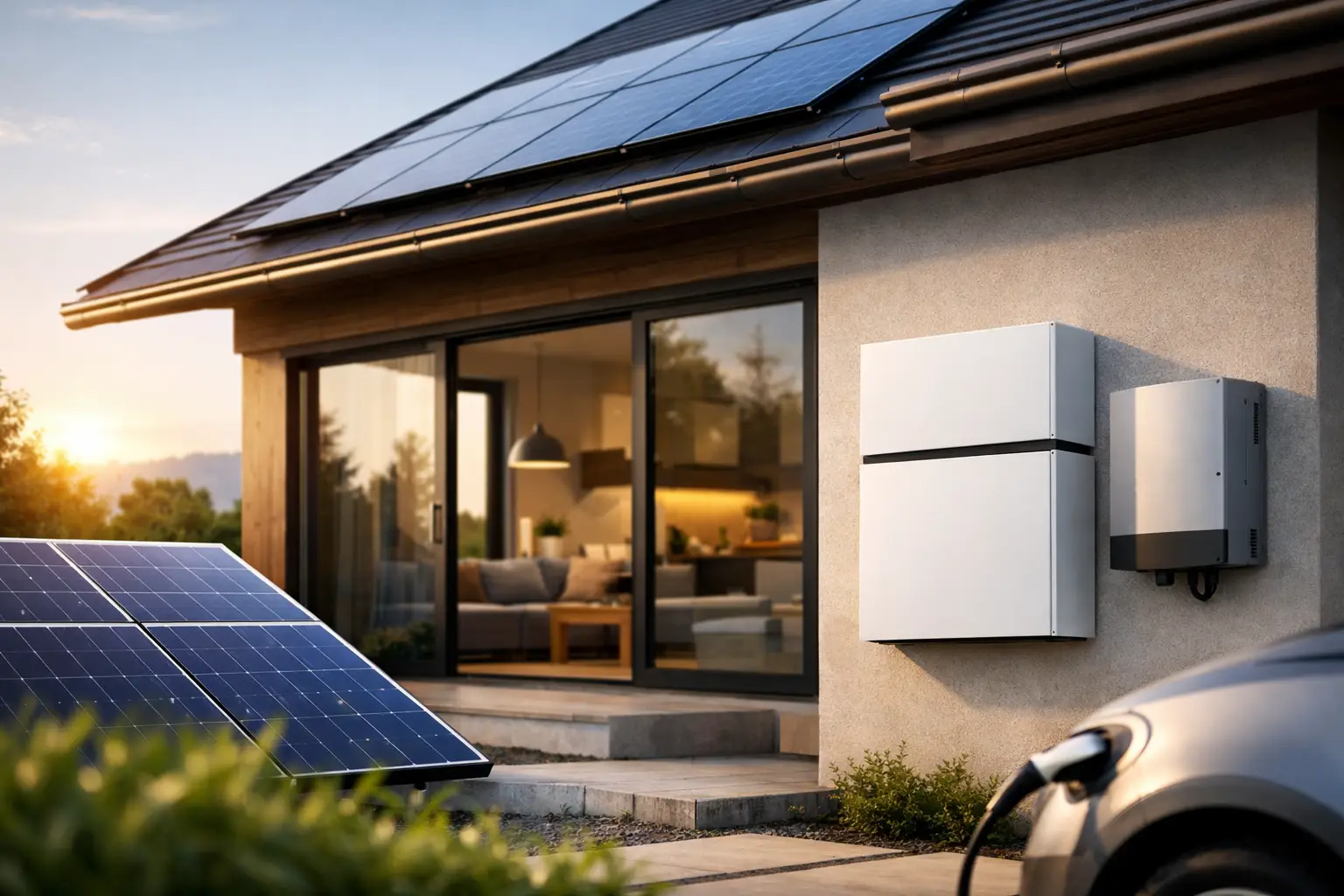
A new solar system should do more than cut the daytime power bill. It should give your household room to adapt as energy use changes, whether that means an EV in the driveway, more people working from home, or a future battery. That is why battery ready solar systems are worth considering before panels go on the roof.
For many Australian households, installing solar panels first and adding storage later is a practical path. You start generating clean power straight away, then add a battery when your energy habits, household needs and available technology make the decision clear. The key is making sure the system installed today will genuinely support that next step.
What does battery ready actually mean?
Battery ready usually describes a solar system designed to accept a compatible battery in the future without requiring a complete replacement of major equipment. In most cases, this means selecting a hybrid inverter or a solar inverter with a defined battery upgrade pathway.
The term can sound simple, but it is not a single industry standard. One system may be ready for a direct battery connection, while another may need extra hardware when storage is added. Some battery-compatible systems can support backup power during an outage once the right equipment is installed. Others are designed mainly to increase solar self-consumption and will not keep the home running during a blackout.
That distinction matters. A battery ready system is a smart starting point, but it is not a promise that every battery, every backup feature or every future energy requirement will fit automatically. The best result comes from planning the solar system around the battery outcome you may want later.
Why plan for battery storage now?
Solar panels make their strongest contribution during daylight hours. If your household is out during the day, a portion of that solar energy may be exported to the grid after appliances have been supplied. A battery can store surplus generation for use after sunset, when homes often use more electricity for cooking, heating, cooling and entertainment.
Planning ahead gives you more control over that future option. Your installer can consider inverter capacity, switchboard space, metering arrangements, cable routes and the best location for a battery from day one. This can reduce disruption later and help avoid choices that limit the storage system you can add.
It also makes sense for homes expecting higher electricity demand. An electric vehicle, a pool pump, reverse-cycle air conditioning, growing family or home business can all change how and when you use power. A system sized only for current usage can become too small sooner than expected.
For small businesses, the same thinking applies. Daytime solar may already match a large share of operating load, but storage can become useful where evening use, demand patterns or operational resilience are priorities. The right approach depends on the site, not a one-size-fits-all package.
Choosing battery ready solar systems that suit your home
Start with your consumption pattern, not just your latest bill. Look at how much electricity you use over a full year, when the bulk of that use occurs and what may change in the next three to five years. A household with high daytime consumption may benefit immediately from a well-sized solar system, while a home with large evening loads may place greater value on future storage.
Select an inverter with a clear upgrade pathway
The inverter is the system’s control point. It converts solar energy into usable electricity and manages how your system interacts with the grid. If you expect to add a battery, ask whether the proposed inverter is a hybrid model and which batteries it supports.
Compatibility should be specific, not vague. Ask whether a battery can connect directly, whether an additional inverter or gateway would be needed, and whether future battery capacity can be expanded. It is also worth confirming how the manufacturer’s warranty applies when storage is added later.
A quality inverter from a trusted brand can offer a cleaner upgrade path and dependable monitoring from the outset. It should also be correctly sized for your solar array and your future plans. Bigger is not always better, but undersizing can restrict solar output or limit the way a future battery performs.
Size the solar array for tomorrow as well as today
A battery cannot store solar energy that the panels do not generate. When roof space, orientation and local network requirements allow, it can be sensible to consider a solar array that accommodates expected demand growth.
This does not mean every property needs the largest possible system. Roof layout, shading, daytime loads and grid connection rules all matter. A thoughtful design balances panel capacity with the inverter, household usage and the ability to export or store surplus generation later.
For example, a medium home may begin with a 6.6kW system, while a larger household with electric appliances, a pool or planned EV charging may need a different design. A site assessment is the right place to test those scenarios rather than relying on a generic recommendation.
Make room at the switchboard and battery location
Battery installation is not only about the unit itself. The switchboard may need suitable space for protection equipment, and the battery needs a compliant, accessible location with appropriate clearances. Garages and external walls are common options, but each property must be assessed on its own layout.
Thinking about this before solar installation can make the later upgrade simpler. It is particularly useful in older homes, where switchboard configuration and cable access may require more careful planning.
Decide whether blackout backup matters
Many customers use the words battery backup and battery storage interchangeably, but they are not the same thing. A battery can store solar energy for evening use without automatically powering your home during a grid outage.
If backup is important, say so at the quoting stage. You may want essential circuits such as lights, refrigeration, internet and selected power points to remain available. Whole-home backup is another option in some designs, but it requires a careful review of starting loads, large appliances and battery capacity.
Backup capability can influence the inverter, switchboard work, battery selection and system design. Planning for it early gives you clearer choices and avoids surprises when you are ready to add storage.
When adding a battery later makes sense
There is no single right time to install a battery. For some households, combining solar and storage from the start is ideal because evening energy use is high or backup power is a priority. For others, solar-first is the better move, especially if they want to observe their generation and consumption before selecting a battery size.
Waiting can provide useful data. Solar monitoring shows how much energy your panels generate, when exports occur and how much electricity you still buy after dark. That information can help match a future battery to real household behaviour rather than an estimate.
The trade-off is that energy plans, export conditions, battery products and incentive programs can change over time. If there are government rebates or state-based support available when you are considering storage, eligibility should be confirmed before you proceed. Never assume a future offer will match today’s conditions.
Questions to ask before you approve your solar design
A good solar proposal should make the future pathway easy to understand. Before installation, ask these questions:
- Is the inverter battery compatible, and which battery models can it support?
- Can a battery be added directly, or will extra equipment be required later?
- Is the solar system sized for expected changes such as an EV or electric heating and cooling?
- Does the design allow for backup power, and which circuits could be supported?
- Is there a suitable compliant battery location and enough switchboard capacity?
- How will monitoring show solar production, grid imports and future battery performance?
Clear answers now can protect your options later. They also help you compare proposals on more than panel count alone.
Solar Miner designs solar solutions around how Australians actually use energy, with quality equipment, tailored system sizing and support from consultation through to installation. If storage may be part of your future, make that part of the conversation from the first quote.
Your energy needs will not stand still. Choose a solar system that starts delivering savings now while leaving the door open for the battery, EV and energy independence goals you have next.