
 1300 285 885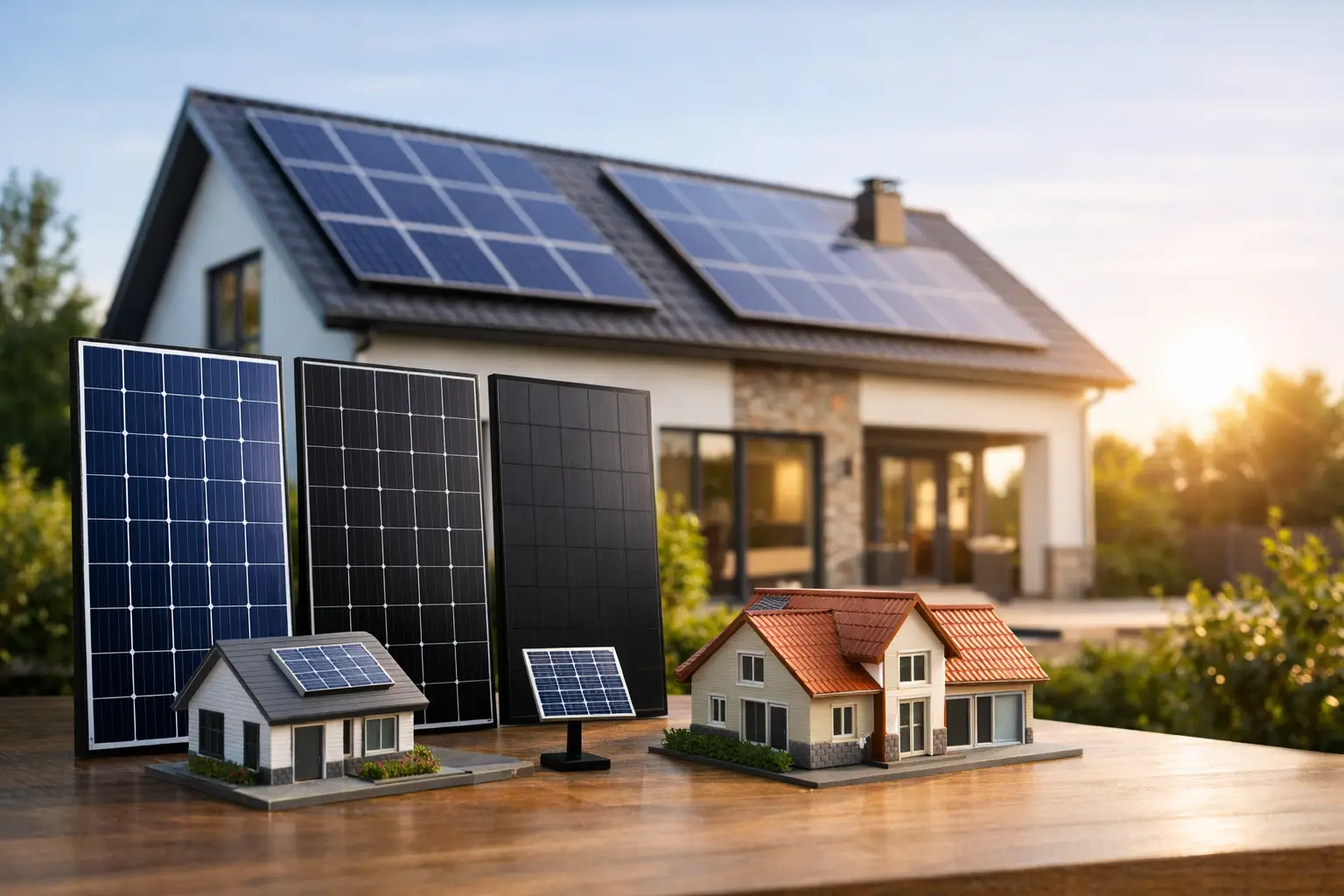
A solar system is only as dependable as the equipment behind it. When comparing the top solar brands for homes, it is tempting to focus on one panel name and call it done. But your results rely on the full system: panels that suit your roof, an inverter that performs well in local conditions, a battery if it matches your usage, and installation completed to a high standard.
For Australian households, the right brand is not always the one with the biggest advertising budget or the highest headline panel efficiency. It is the one that delivers reliable generation for your home, has strong local support, and fits the way your family uses power.
Top solar brands for homes in Australia
There is no single best brand for every household. A family with high daytime consumption has different priorities from a household that is out all day and wants to use more solar after sunset. Roof shape, shade, electricity usage and plans for an EV or battery all influence the right choice.
That said, a handful of names consistently feature in quality Australian residential systems because they offer proven technology, established warranties and broad installer support. The strongest systems usually pair a recognised panel manufacturer with an inverter and battery brand that are compatible with the household’s energy goals.
Panel brands: generation starts on the roof
Panels do the visible work, converting sunlight into electricity day after day. Modern panels can look similar from the street, but cell technology, manufacturing quality, heat performance and warranty backing can vary significantly.
Jinko Solar is widely selected for Australian homes because it balances strong output, trusted manufacturing scale and broad availability. Its higher-efficiency panel ranges are a practical fit for households with limited usable roof space, where getting more generation from each panel matters.
Trina Solar is another established choice for homeowners seeking dependable performance. Trina panels are common across residential installations and offer a range of options for different roof sizes and energy requirements. They are often considered when homeowners want a proven brand without overcomplicating the decision.
LONGi Solar has built a strong reputation through high-efficiency monocrystalline panel technology. It is a sensible option for roofs affected by space constraints, complex layouts or partial shading, although shading should always be assessed at a system-design level rather than solved by a panel brand alone.
Canadian Solar is also a familiar name in the Australian market. Its panel range is used across residential and larger-scale projects, making it a credible contender for homeowners looking for established manufacturing and practical long-term performance.
Higher-efficiency panels can be valuable, but they are not automatically necessary. If your roof has plenty of clear north, east or west-facing space, a well-designed system with reliable standard-efficiency panels may produce the energy your home needs. The better question is: how much usable roof area do you have, and what generation target will make a meaningful difference to your bills?
Inverter brands: the system’s working engine
If panels collect solar energy, the inverter makes it usable. It converts the direct current produced by panels into the alternating current your home uses. It also provides the data that helps you understand generation, household consumption and grid exports.
Fronius remains a respected inverter brand for Australian homes. Known for its engineering pedigree and strong monitoring capability, it is often chosen by households that value performance visibility and long-term system support. It can be particularly appealing where the homeowner wants to build towards more advanced energy management over time.
Sungrow is a popular choice across solar and battery installations. Its inverter range is widely used in Australian homes and offers a practical pathway for households considering battery storage now or later. Compatibility should still be confirmed before installation, especially where backup power is a priority.
GoodWe has become a recognised option for residential solar, including hybrid inverters designed to work with batteries. It is worth considering for homeowners who want a smart, future-ready setup without adding unnecessary complexity to the system.
SolarEdge takes a different approach, using power optimisers with individual panels. This can be helpful on roofs where panels face several directions or experience variable shading from trees, chimneys or neighbouring structures. It is not essential for every roof, but it can be the right technical solution where a standard string inverter would be less effective.
The key is to match inverter capacity and design to the panel array. An oversized or undersized inverter, poorly placed equipment or weak monitoring setup can undermine otherwise excellent panels. A site-specific design matters more than brand recognition alone.
Choosing a solar battery brand for your home
A battery lets you store surplus solar energy for later use, rather than sending all of it to the grid. It can help households use more of their own solar generation in the evening, and some configurations can provide backup capability during an outage.
Tesla Powerwall is one of the best-known home battery options. Its appeal lies in its integrated design, energy management features and established presence in the market. It can suit households with substantial evening usage, though the right battery size depends on how much excess solar you produce and when you consume electricity.
Sungrow batteries are commonly paired with compatible hybrid inverter systems and can be a strong option for homeowners who want a coordinated solar-and-storage setup. Their modular approach may suit households planning to increase storage as energy needs change.
BYD Battery-Box systems are another respected option, often used alongside selected inverter brands. They are modular and flexible, which can be useful for homes that need storage designed around a particular system layout.
A battery is not a compulsory addition to solar. For many households, starting with a correctly sized solar system is the smart first move. If you have strong daytime consumption from working at home, running a pool pump or charging an EV, your solar can deliver significant value without storage. If most of your power use happens after sunset, a battery may deserve closer consideration.
What matters more than a brand logo
A trusted brand is a good starting point, not the final decision. The performance of your solar system depends on how every component works together at your property.
Start with your electricity habits. Look at when you use the most energy, not only how much you use across a billing period. Daytime loads can make solar panels work harder for your household. Evening loads may point towards a battery-ready inverter or storage solution.
Then consider the roof. Orientation, pitch, available area and seasonal shade all shape system design. East and west-facing panels can still be highly valuable, particularly where a household uses energy in the morning and late afternoon. A quality installer will assess these factors before recommending equipment.
Warranties also deserve attention. Check both the product warranty and the performance warranty for panels, along with inverter and battery warranty terms. Just as importantly, ask who supports you after installation. A strong system needs clear documentation, responsive support and an installer that stands behind its workmanship.
Finally, do not overlook approved equipment and professional installation. Australian solar systems should be designed and installed to applicable standards, with the right paperwork to support eligible Small-scale Technology Certificates and relevant state programs. This protects your investment and helps ensure the system performs as intended.
Build the system around your home
The best solar brand is the one that forms part of a well-matched system, not a badge chosen in isolation. A medium-sized home may benefit from a 6.6kW system with reliable panels and a quality inverter. A larger household with air conditioning, electric hot water, a pool or an EV may need more generation and a battery-ready design.
At Solar Miner, system recommendations are built around your property, usage and goals – whether that means reducing daytime grid reliance now or preparing for battery storage and EV charging later. Trusted equipment should make your solar decision simpler, not more confusing.
Choose brands with a proven Australian presence, but give equal weight to system design, workmanship and support. The right solar setup should keep earning its place on your roof long after installation day.