
 1300 285 885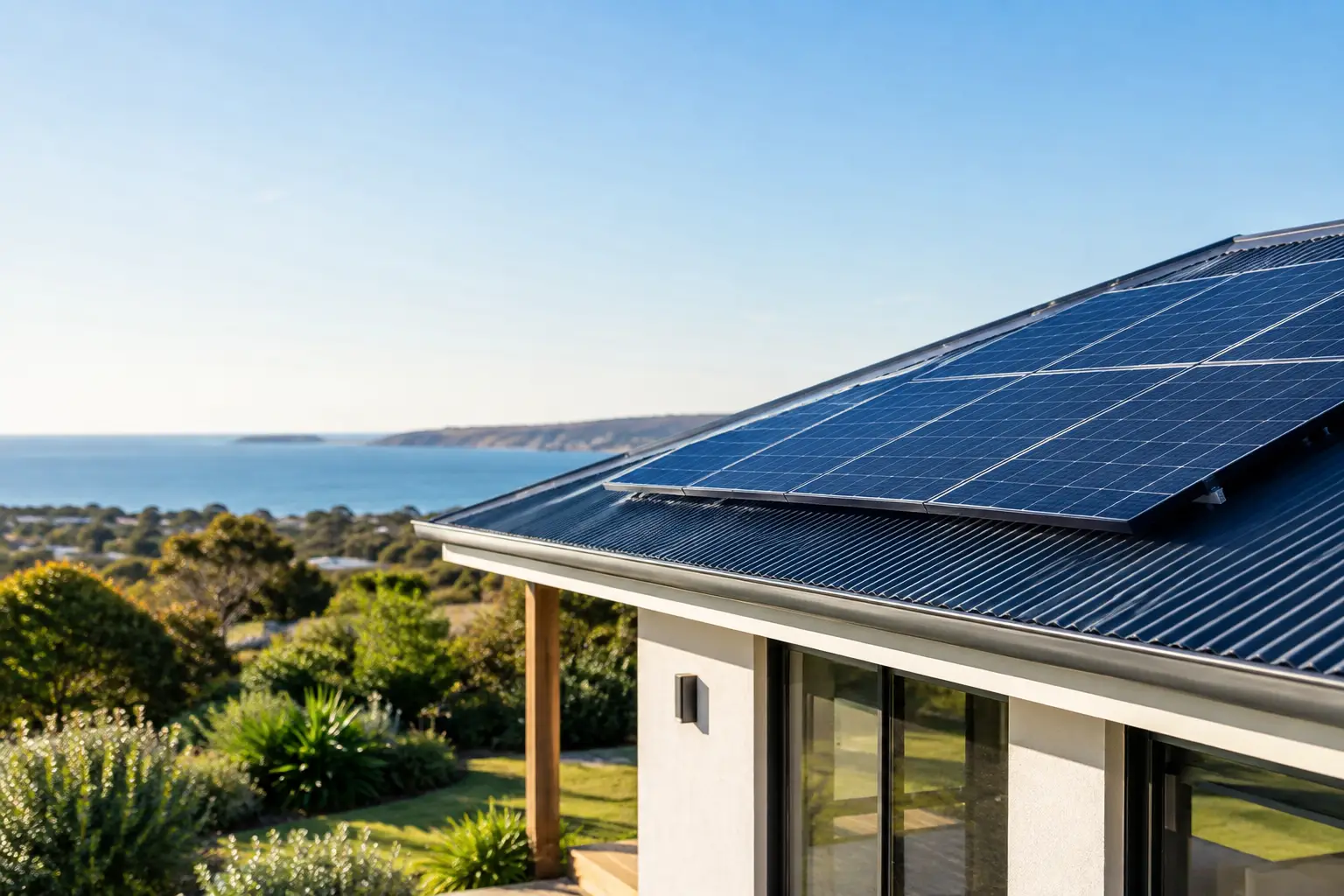
A bright South Australian afternoon can produce far more solar energy than a household uses at one moment. The real opportunity with South Australia home solar is not simply putting panels on the roof. It is choosing a system that matches when your family uses power, how much electricity you consume and where you want your energy costs to head over the years ahead.
For many homes, solar starts with a simple goal: use more of your own clean electricity instead of relying on grid power during daylight hours. A well-designed system can support that goal, while a battery can store surplus energy for the evening. The right answer depends on your roof, household routine and future plans – not a one-size-fits-all package.
Why South Australia home solar makes sense
South Australia is one of the country’s strongest locations for home solar. Long, sunny days and high household awareness have made rooftop solar a familiar sight from Adelaide suburbs to regional towns. But sunlight alone is not a reason to rush a decision. The value comes from turning that sunshine into useful power in your home.
Think about your typical day. If someone works from home, the pool pump runs in daylight, or you can schedule appliances such as the dishwasher and washing machine for the middle of the day, you may use more solar electricity as it is generated. This is often called solar self-consumption, and it is one of the most practical ways to get more from your system.
Households that are empty through the day can still benefit from solar, but may need to think more carefully about battery storage, smart appliance timing or an EV charger. Solar exports can be useful, but the strongest long-term result usually comes from reducing the power you need to buy from the grid.
Start with your home’s electricity habits
The best solar system is sized around real usage, not a guess based on the number of bedrooms. Review recent electricity bills and look at both total consumption and the times you use the most power. A home with ducted air conditioning, an electric hot water system, a pool or a growing family will have very different needs from a couple in a smaller, efficient home.
A 6.6kW solar system is often a strong starting point for a medium household. It can suit families looking to offset everyday daytime use without overcomplicating the decision. Larger homes, properties with higher cooling loads or households planning to electrify more of their lifestyle may benefit from a larger solar array.
Future plans matter just as much as current bills. If you expect to buy an electric vehicle, replace gas appliances with electric alternatives, add a pool or install a battery, tell your solar consultant early. Designing for the home you will have in three to five years can prevent a system from feeling undersized too soon.
Your roof is part of the calculation
North-facing panels are often favoured because they can generate strongly across the day, but north is not the only workable orientation. East-facing panels can be useful for morning demand, while west-facing panels may better support late-afternoon air conditioning and evening preparation. Many roofs benefit from a split layout across more than one direction.
Shade also needs an honest assessment. Trees, neighbouring buildings, chimneys and roof features can affect output at certain times. Quality system design considers these factors before installation, rather than treating all roof space as equally productive.
Solar panels, inverter and battery: make each part work together
A home solar system is only as dependable as the components and design behind it. Panels generate electricity, the inverter converts it into usable power for the home, and a battery stores eligible surplus energy for later. Each plays a distinct role.
Panels should be selected for performance, durability and suitability for the available roof area. The inverter deserves equal attention because it manages the conversion of solar energy and provides visibility over system performance. Choosing approved, trusted technology and having it installed by qualified professionals gives homeowners greater confidence from day one.
A battery is not compulsory for every solar household. If most of your electricity use happens in daylight, solar panels alone may be the right first move. If your household is busiest after work, wants more control over evening energy use or is planning an EV, a battery may be worth considering as part of a broader energy plan.
It depends on your goals. Batteries add storage and flexibility, but they should be sized according to your actual surplus generation and night-time demand. Oversizing a battery for a low-usage home is not always the smartest outcome. A tailored recommendation should explain how the whole system works together, not simply add technology for the sake of it.
Get the timing right for maximum solar use
Once the system is installed, small household changes can make a meaningful difference. Run high-use appliances when the sun is producing, where practical. Set pool filtration for daylight hours, use timers for hot water systems where appropriate and charge an EV during the day if your routine allows it.
Smart monitoring is particularly helpful here. It shows when your system is generating and when your household is drawing power. After a few weeks, most households can see patterns clearly: the air conditioner may be driving summer demand, or evening cooking may be creating a larger grid draw than expected. That information helps you adjust behaviour and assess whether battery storage is a sensible next step.
This does not mean rearranging your life around solar. It means letting the system support the routines you already have. Automation, timers and efficient appliances can take much of the effort out of using more of your own generation.
Understand incentives before you install
Eligible households may be able to access Small-scale Technology Certificates, commonly known as STCs, which can reduce the upfront cost of an eligible solar installation. The number available is affected by factors including system size, location and the applicable scheme rules at the time of installation.
Because incentive settings and retailer arrangements can change, it pays to receive clear, current advice before proceeding. A reputable provider should explain what support may apply, what paperwork is required and what assumptions have been used in the proposal. Clear documentation is a trust marker, particularly for a purchase designed to perform for decades.
It is also worth checking your network requirements, metering process and any limits that may apply to exports from your property. These details are not exciting, but they matter. A full-service installation process should manage the practical steps and keep you informed instead of leaving you to navigate approvals alone.
Choose an installer for more than the installation day
Solar is a long-term home asset, so the cheapest-looking offer is not always the strongest choice. Look for a retailer and installer that can explain system sizing in plain language, specify the equipment proposed, manage the installation process and provide support after the panels are on the roof.
Ask how the design accounts for shade, roof orientation and your future energy needs. Confirm that warranties are clearly explained, that workmanship is backed appropriately and that monitoring will be available once the system is live. These questions are not overthinking it. They are how you compare quality with confidence.
Solar Miner helps homeowners move from first enquiry to tailored system design, approved technology, installation support and advice on available incentives. The aim is straightforward: make choosing quality solar easier, without making you become an energy expert first.
A practical move towards greater energy control
South Australia home solar works best when it is treated as part of your household energy plan, not a quick rooftop purchase. Start with your usage, choose a system that suits your roof and make room for the changes you can already see coming – from summer cooling to an electric car in the driveway.
A good solar decision should leave you feeling clear about what your system is designed to do. With the right advice and a system built around your home, every sunny day becomes a practical opportunity to use more of the energy you generate yourself.