
 1300 285 885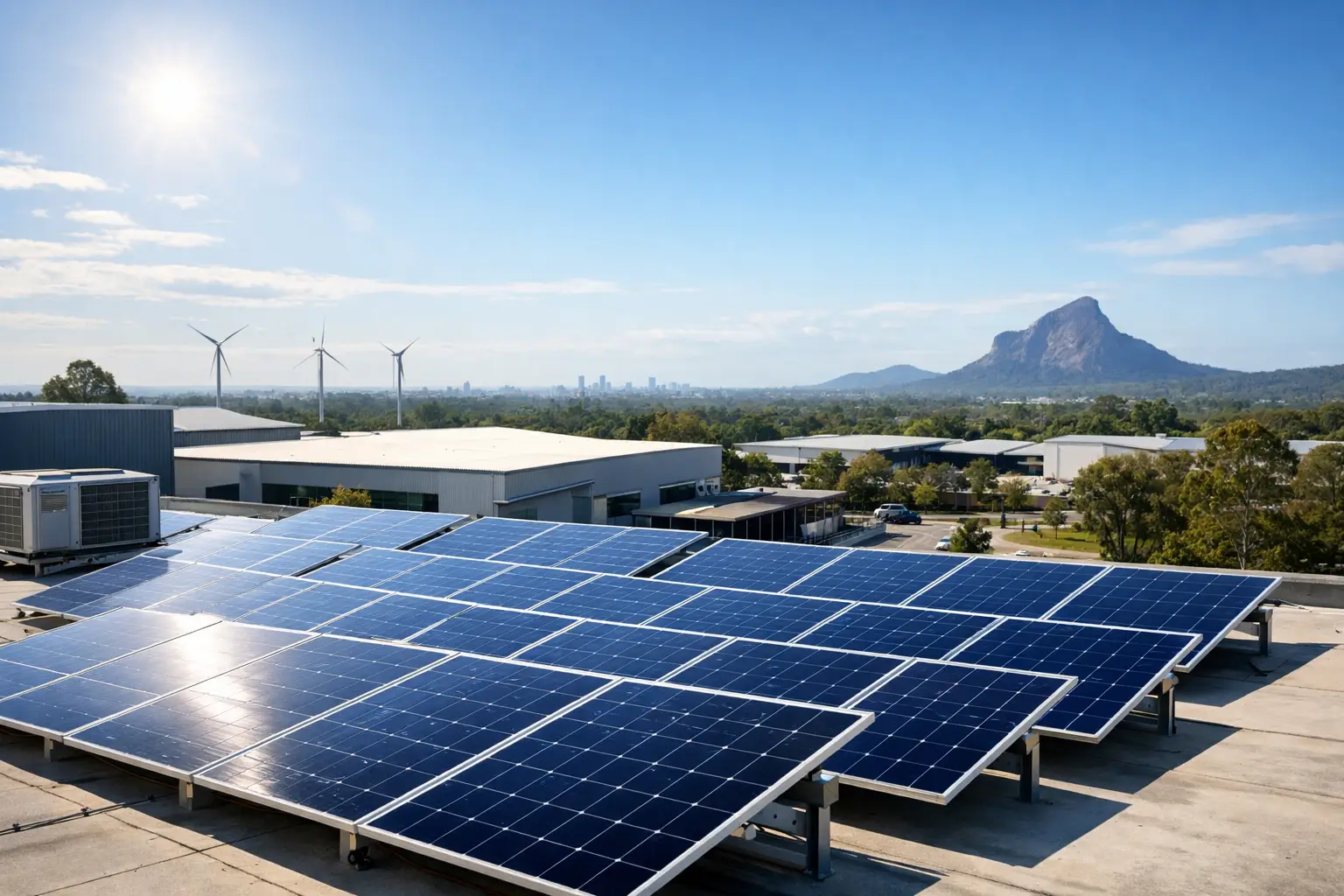
A busy workshop, warehouse or retail site can use most of its electricity while the sun is at its strongest. That is why the best commercial solar options are not simply the biggest systems available. They are systems designed around how your business actually operates, so more of the energy produced is used on site and less is bought from the grid.
For Australian businesses facing high daytime demand, solar can turn an underused roof into a practical business asset. The right solution can reduce exposure to rising electricity bills, support growth and demonstrate a genuine commitment to cleaner operations. The key is matching the equipment, system size and energy strategy to your site rather than choosing a one-size-fits-all package.
Best commercial solar options by business need
Commercial solar works best when the system reflects the building, operating hours and major energy loads. A café with heavy daytime refrigeration has different requirements from a manufacturing facility running large machinery, while a logistics business may need to plan for fleet charging as well as warehouse consumption.
Rooftop solar for day-to-day electricity use
A rooftop solar system is the starting point for most commercial properties. Panels generate electricity during daylight hours, allowing your site to use solar energy before drawing power from the grid. For businesses with consistent daytime consumption, this is often the clearest path to lower operating costs.
Rooftop solar suits offices, schools, medical practices, retail centres, farms, workshops, warehouses and many industrial facilities. It can be particularly effective where air conditioning, refrigeration, lighting, pumps, equipment or production lines create regular daytime demand.
The roof itself matters. A quality site assessment considers available area, shading from nearby buildings or plant equipment, roof orientation, structural condition and safe access for installation and maintenance. A large roof is valuable, but usable roof space is what determines the practical system design.
Larger commercial systems for high-load sites
For businesses with substantial electricity use, larger systems can provide a stronger reduction in grid reliance. Commercial systems may range from modest installations for small premises through to large-scale solutions for factories, agricultural operations, multi-site businesses and industrial facilities.
The right capacity should be based on interval data, not guesswork. Electricity bills show useful information, but interval data reveals when your business uses energy across the day. This helps identify the system size most likely to deliver strong solar self-consumption.
Oversizing can still make sense in some situations, particularly where demand is expected to grow, additional equipment is planned or EV charging will be introduced. However, the decision should account for export limits, network requirements and the value of energy sent back to the grid. Bigger is not automatically better if much of the solar production cannot be used effectively.
Commercial batteries for flexibility and resilience
A commercial battery stores surplus solar energy for later use. This can be useful for businesses whose demand extends into the evening, those with sharp load peaks, or sites looking to make better use of their solar generation.
Battery storage is not essential for every commercial solar project. If your business consumes most of its solar energy while panels are generating, a solar-only system may be the more suitable first step. Batteries become more compelling when the site has significant late-afternoon or night-time use, needs greater operational resilience, or wants to manage demand more strategically.
It is also important to distinguish between battery storage and backup power. Not every battery system keeps a site running during a grid outage. Backup capability requires the right system design, compatible equipment and a clear plan for which essential loads should remain powered. For a medical practice, cold storage facility or site with critical communications, this detail matters.
Solar and EV charging for future-ready sites
Businesses adding electric vehicles, staff charging or customer charging should consider solar and EV infrastructure together. A well-planned system can direct solar generation towards charging during the day while helping the business manage increased site demand.
For fleet operators, this planning is especially valuable. Charging schedules, vehicle return times and the number of chargers all influence the solar system and electrical upgrades required. Installing chargers without reviewing the site’s total load can create avoidable network and demand challenges.
A staged approach can work well. Your business may install a commercial solar system now, allow for future battery capacity and prepare electrical infrastructure for EV chargers when operational needs justify them. Planning ahead protects the value of the investment without forcing every upgrade to happen at once.
How to choose the right commercial solar system
The best decision starts with a clear picture of energy use. A reputable solar provider should ask about your electricity consumption, operating hours, future expansion plans and the equipment that drives demand. This is a consultative process, not a quick estimate based on roof size alone.
Four questions can quickly sharpen the scope of a commercial solar project:
- When does the site use the most electricity: during business hours, after sunset or across multiple shifts?
- Which loads are essential, and which are likely to increase over the next few years?
- How much suitable, unshaded roof area is available?
- Does the business need solar savings only, or does it also need battery storage, backup capability or EV charging?
From there, system design should include quality panels, commercial-grade inverters and equipment that meets Australian standards. Trusted technology, professional installation and strong product warranties are essential because commercial solar is expected to perform for years, often in demanding conditions.
Your inverter choice deserves attention. Inverters convert solar power into usable electricity and play a major role in system performance. Depending on the site, the design may use string inverters, multiple inverters or other commercial configurations. The right approach depends on array layout, shading, electrical design and the scale of the installation.
Commercial solar details that affect results
A strong solar proposal looks beyond panel numbers. It should explain how the system will connect to the site, what approvals may be required and whether export limits apply. Network rules vary by location and can affect how much electricity a business can send to the grid.
Monitoring is another practical advantage. Commercial solar monitoring lets owners and facilities teams see generation, site consumption and system performance. It can help identify unusual energy use, confirm that equipment is working as intended and support better operational decisions over time.
Maintenance should also be considered from the beginning. Solar panels are generally low maintenance, but commercial systems benefit from periodic inspections, performance checks and prompt attention to faults. Sites with dust, salt exposure, bird activity or heavy industrial conditions may require a more tailored maintenance plan.
Government incentives can improve the case for commercial solar, but eligibility and requirements can change. Small-scale technology certificates may apply to eligible systems within the relevant capacity rules, while state-based programs and business incentives may also be available. A knowledgeable provider can help explain the current pathway and ensure the installation is designed and documented correctly.
Why an end-to-end commercial solar partner matters
Commercial solar involves more than fitting panels to a roof. It may require detailed energy analysis, site inspections, engineering, network applications, incentive support, installation scheduling and commissioning. For operating businesses, careful coordination is vital to minimise disruption.
An end-to-end provider such as Solar Miner can simplify that process by assessing your energy goals and matching the solution to the scale of your property. Whether you need a straightforward rooftop system or a larger solar, battery and EV charging plan, the focus should remain on reliable equipment, quality installation and a system designed for real business use.
The most valuable next step is to gather recent electricity data and arrange a site-specific assessment. Your roof has one job left to do before the next summer heatwave: start working for your business.