
 1300 285 885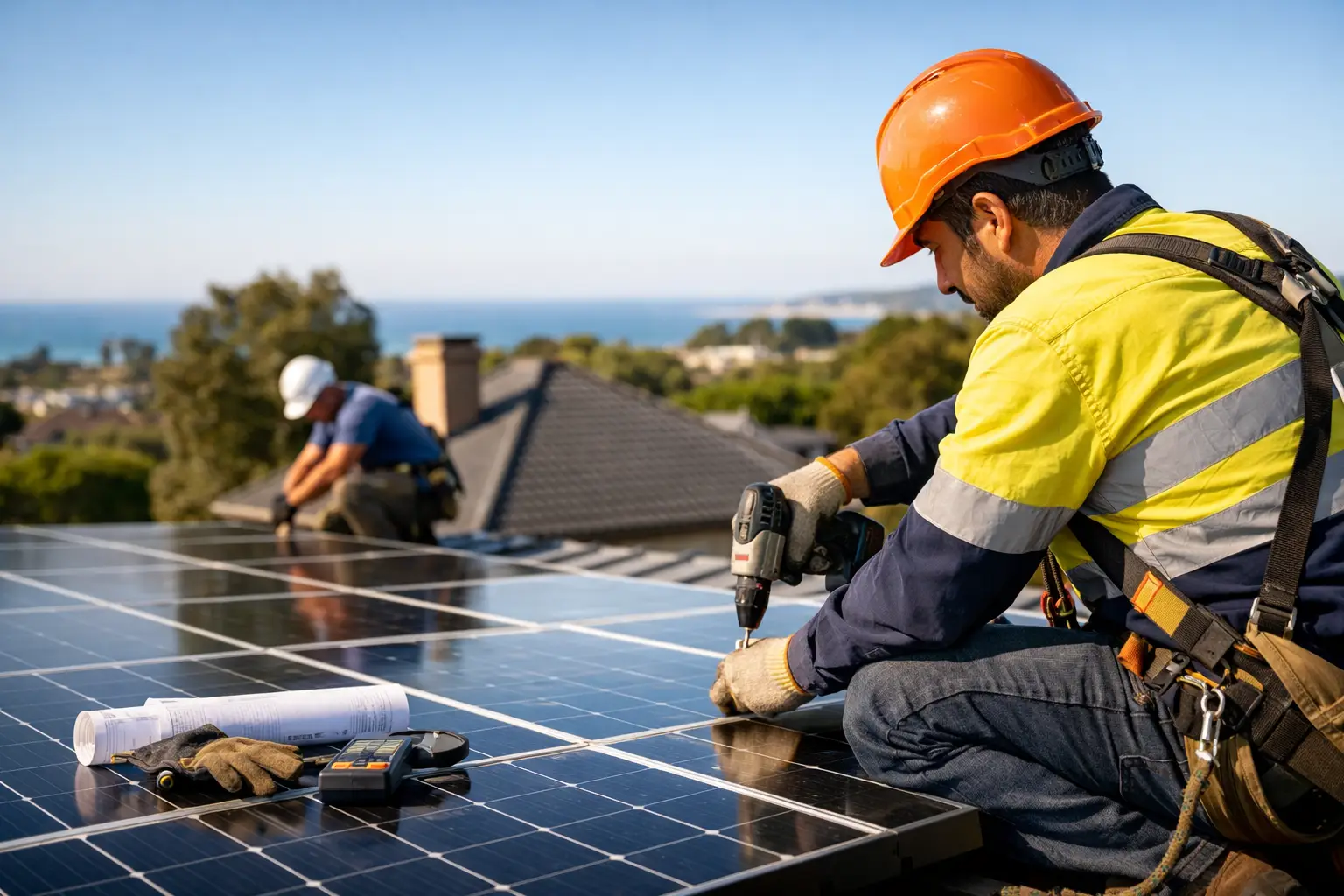
Most solar problems start before a single panel goes on the roof. The wrong system size, a rushed site check, or vague advice on approvals can turn a smart investment into a frustrating one. A clear solar installation process guide helps you avoid that. It shows what should happen, when it should happen, and what a reliable installer should be handling on your behalf.
For homeowners, business operators and larger sites, the process is not just about getting panels fitted. It is about matching the system to your usage, choosing proven equipment, understanding any rebate eligibility, and making sure the install is compliant from day one. When that process is handled properly, solar starts delivering what people actually want – lower power bills, more control over energy use, and long-term value.
What a solar installation process guide should cover
A good solar installation process guide is not full of jargon. It should explain the practical stages from first enquiry through to the point your system is commissioned and ready to generate. It should also make clear where things can vary depending on your roof, switchboard, electricity retailer, distributor, and whether you are adding a battery or EV charger.
The biggest mistake buyers make is thinking every quote is based on the same level of planning. They are not. Some providers quote from satellite images and little else. Others take the time to assess energy consumption, roof orientation, shading, site access and future needs. That extra care matters because the best solar system is not the biggest one on paper. It is the one designed to suit the property and the way you use power.
Step 1: Understanding your energy needs
Before recommendations mean anything, your usage needs to be understood. For a household, that usually means looking at recent electricity bills, daytime versus evening consumption, the number of people living in the property, and major appliances such as air conditioning, pool pumps or electric hot water. For businesses, the pattern can be more complex. Operating hours, machinery loads, refrigeration, office use and seasonal demand all affect system sizing.
This stage is where a consultative installer stands apart. Instead of pushing a one-size-fits-all package, they should explain which system size is likely to deliver the best return based on your property. A medium home may suit a 6.6kW system, while a larger commercial or industrial site may need a much bigger design. If battery storage is part of the plan, your evening usage and backup expectations also need to be considered early.
Step 2: Site assessment and roof suitability
Once the likely size is narrowed down, the property itself needs to be checked. That includes roof pitch, orientation, available panel space, shading from trees or neighbouring buildings, and the condition of the roof. There is no point installing premium equipment on a roof that needs major work shortly after.
The switchboard and meter setup also matter. Older electrical infrastructure can require upgrades before solar can be connected safely. This is not a red flag. It is part of doing the job properly. A thorough site assessment should identify these issues upfront so there are no nasty surprises later.
For commercial and industrial sites, the assessment may also consider structural factors, roof access requirements, safety controls and how the installation can be staged to minimise disruption. The right installer should be able to explain these details in plain language, not bury them in technical wording.
Step 3: System design and equipment selection
This is where the installation plan becomes real. Based on your usage and site assessment, your provider should recommend panel layout, inverter type, and whether a battery or EV charger makes sense now or later. Product quality matters here because solar is a long-term asset. Panels and inverters from trusted brands with solid warranties usually offer better confidence than unknown alternatives that look appealing only on paper.
There are trade-offs to weigh up. A larger system can generate more energy, but only if the roof and network conditions support it. A battery can increase energy independence, but whether it is the right move depends on your consumption pattern, backup goals and budget priorities. Microinverters or optimisers may help in shaded conditions, while a standard string inverter may be the cleaner option on a straightforward roof. Good advice should reflect these differences rather than treating every site the same.
Step 4: Approvals, rebates and paperwork
This is the part many buyers dread, and rightly so. Solar paperwork can be tedious if you are left to manage it yourself. A quality installer should help with the approval pathway, including distributor applications, grid connection requirements and relevant rebate documentation.
In Australia, government incentives such as STCs can reduce the upfront cost of eligible systems, but eligibility and processing need to be handled correctly. Requirements can also vary depending on location and network rules. If you are adding a battery, there may be separate state-based programs or technical conditions to review. The key point is simple: if a provider is vague about paperwork, expect delays.
A smooth process here saves time and reduces risk. It also gives you confidence that the system being installed is the same one that was approved and quoted.
Step 5: Scheduling the installation
Once approvals are in place and equipment is ready, the installation is booked. For a standard residential system, installation may be completed in a day, though more complex jobs can take longer. Commercial and industrial projects often require broader scheduling around site operations, access windows and safety procedures.
You should know what to expect before the crew arrives. That includes whether power will need to be turned off for part of the day, where the inverter will be mounted, and if there are access requirements for garages, switchboards or meter boxes. Clear communication matters. A professional team will tell you what is happening, who is attending, and how the site will be left once the work is done.
Step 6: Install day and compliance checks
On installation day, the team will mount the racking, fit the panels, install the inverter and complete the electrical work needed to connect the system. Good workmanship is not just about neat lines on the roof. It is about compliance, cable management, waterproofing, safe isolator placement and system performance.
This is also where trust matters. You want accredited installers using approved products and following Australian standards. Shortcuts may not be obvious from the ground, but they can affect safety, warranty support and long-term output. A credible provider will treat compliance as a baseline, not a selling extra.
After the physical install, the system should be tested and checked. Depending on the setup, the final step may include commissioning, configuration of monitoring, and confirmation that everything is operating as intended.
Step 7: Metering, grid connection and monitoring
One common point of confusion is the gap between installation and full export capability. In some cases, your system can generate power for on-site use straight away, but exporting excess energy to the grid may depend on meter updates or distributor approval. This varies by network and retailer.
That does not mean something has gone wrong. It simply means the final administrative step is still being completed. Your installer should explain this clearly, along with any expected timing. They should also help set up system monitoring so you can track generation and spot issues early.
Monitoring is more useful than many buyers realise. It shows whether your system is performing as expected and helps you understand when the property is using or exporting the most energy. For businesses, this can support broader energy management decisions. For households, it often changes behaviour in a good way – shifting appliance use into daylight hours to increase solar self-consumption.
What can slow the process down?
Even a well-managed installation can face delays. Weather is the obvious one, especially for roof work. Distributor approvals, meter changes, switchboard upgrades and stock availability can also affect timing. Complex roofs or difficult site access may add another layer.
That is why realistic expectations matter. Fast is good, but accurate is better. If an installer promises a very quick turnaround without asking many questions, that is not always a sign of efficiency. Sometimes it is a sign the planning is thin.
Choosing an installer with the right process
If you are comparing providers, look beyond the panel brand and headline offer. Ask how they assess your energy usage, what they include in the site review, who handles approvals, and what support you get after installation. A strong process is often the difference between a system that simply exists and one that performs well for years.
This is where Solar Miner’s approach makes practical sense for buyers who want quality without the run-around. Packaged systems help simplify the decision, but the recommendation still needs to suit the property, your usage and your plans for battery storage or EV charging. That balance of simplicity and tailored advice is what removes friction from a high-consideration purchase.
The best time to ask hard questions is before you sign anything. A reliable installer will not dodge them. They will explain the process clearly, set proper expectations and make each step easier to understand. That is how solar should be bought – with confidence, not guesswork.
If you are considering solar for your home or business, focus on the provider’s process as much as the equipment itself. Good solar starts with good planning, and that is what gives you the best chance of seeing real savings from day one.