 1300 285 885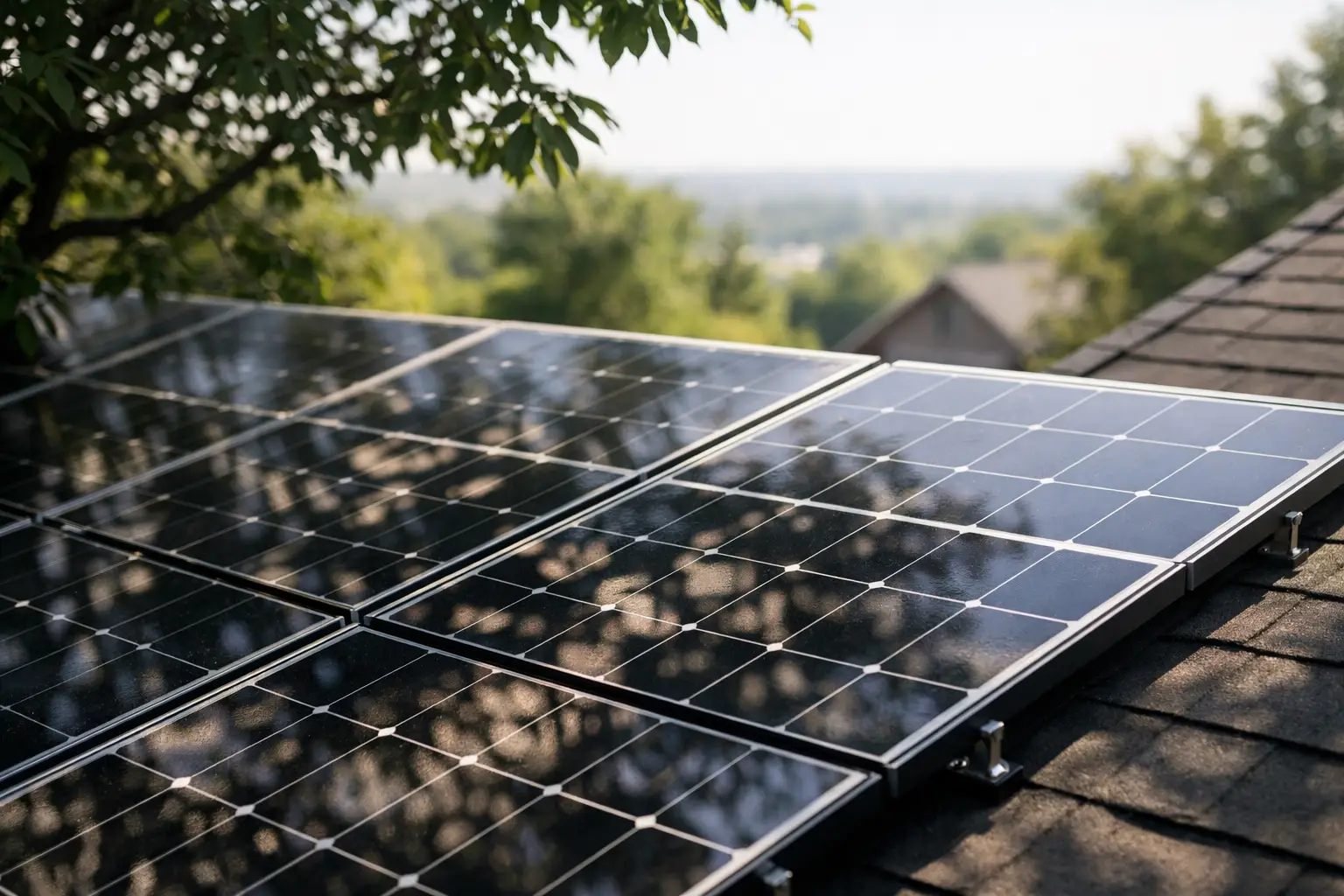
A roof can look perfect for solar until you notice the gum tree that throws shadow across it after lunch, or the neighbouring home that cuts winter sun earlier than expected. That is exactly why so many buyers ask about the best solar panels for shade. The short answer is that no panel loves shade, but some handle it far better than others, and the right system design can make a major difference to output.
If your roof gets partial shade, the goal is not to chase a miracle panel. It is to choose quality equipment that loses less production when one part of the array is affected, then match it with the right inverter setup and panel layout. That is where a lot of solar performance is won or lost.
What makes some solar panels better in shade?
Shade affects solar because panels are made up of many cells working together. When sunlight is blocked on part of a panel, the output of that panel drops. In some system designs, that drop can also pull down the performance of other panels in the same string.
The best solar panels for shade are usually the ones built with stronger low-light performance, better cell architecture and dependable bypass diode design. In plain terms, they are better at limiting losses when sunlight is inconsistent across the roof.
Half-cut cell panels are often a smarter choice for shaded sites. Because the cells are effectively split, the panel can reduce resistive losses and keep more of its output available when only part of the panel is affected. This does not make the panel shade-proof, but it does make it more resilient.
Panel quality matters too. Premium manufacturers tend to deliver tighter manufacturing tolerances, more reliable electrical performance and better long-term durability. When your roof has shading challenges, those gains are worth more because you are already working with a less-than-perfect site.
The panel type matters, but system design matters more
This is the part many buyers miss. If you are comparing the best solar panels for shade, the panel itself is only one piece of the result. The inverter and the way panels are grouped on the roof can have an even bigger impact.
A standard string inverter works well on simple, open roofs with consistent sunlight. But on a roof with regular shade from trees, vents, chimneys or nearby buildings, a string system can be less forgiving. If one panel underperforms, the whole string may be dragged down.
That is why shaded properties often benefit from panel-level optimisation. Microinverters or power optimisers allow each panel to perform more independently. If one panel is shaded, the others can keep producing closer to their potential. For homes and businesses with mixed roof angles or moving shade across the day, this can be a far better solution than relying on panel choice alone.
A good installer will also look at panel placement carefully. Sometimes the best move is not to fill every available roof space. It can make more sense to leave the worst shaded section unused and put fewer panels in the cleanest sun path. More panels do not always mean better returns if several spend key production hours under shade.
Which solar panel features are worth looking for?
If your roof is not fully sun-exposed, focus on practical performance features rather than marketing claims. Half-cut cells are one of the best signs you are looking at a modern panel suitable for more complex conditions. High efficiency is useful as well, especially when roof space is limited and you need each panel to work harder.
Strong temperature performance is also worth attention in Australia. Shade and heat can combine in frustrating ways on some roofs. A panel that handles high temperatures well can hold onto more of its output during hot conditions, especially in states where summer roof temperatures climb hard.
Build quality, warranty support and brand track record should stay high on the list. On a shaded roof, every watt matters more. You want panels from manufacturers with proven reliability, not generic products that look fine on paper but deliver inconsistent real-world performance.
For many buyers, monocrystalline panels will be the strongest fit. They are efficient, widely used and available in premium models with modern cell designs that perform better under less-than-ideal conditions. They are not immune to shade, but they are often the right starting point for a higher-performing residential or commercial system.
Best solar panels for shade on homes
For homeowners, shade usually comes from trees, second-storey neighbours, satellite dishes or roof complexity. In these cases, premium monocrystalline half-cut panels paired with microinverters or optimisers are often the safest bet.
That setup usually suits people who want reliable output without becoming solar experts themselves. It gives the system more flexibility across the day and helps reduce the impact of one shaded panel hurting the rest. If your home uses most of its power in the morning or late afternoon, this can be especially useful because those are common times for partial shading.
It is also worth thinking beyond the panel. If your property has shade for part of the day but solid sunshine in the middle hours, a battery may still make sense later on, depending on your usage pattern. The key is to first build a system that captures the best available solar window effectively.
Best solar panels for shade on businesses
Small businesses and commercial sites often deal with a different kind of shading. Air-conditioning units, parapets, warehouse features and neighbouring buildings can create repeating shadow patterns across a larger roof. In that situation, system design becomes even more important.
The best result is usually a high-quality commercial-grade panel combined with an inverter strategy that allows for better panel-level or section-level performance control. On larger roofs, careful zoning can help avoid one problem area affecting stronger sections elsewhere.
Businesses should also think about load timing. If your operation uses the most electricity during daylight hours, then improving performance in shaded conditions has direct value. A system that is designed intelligently for your roof can help offset more daytime usage, which is what most commercial buyers actually care about.
Common mistakes when choosing panels for shaded roofs
The biggest mistake is assuming all shade is the same. A little winter shadow at 4 pm is not the same as a chimney blocking key morning sun every day. The pattern, timing and extent of the shade all matter.
Another mistake is buying on panel wattage alone. A panel with a bigger number on the spec sheet is not automatically the better choice if the roof layout and inverter setup are wrong. Real performance comes from the whole system working together.
It is also easy to overestimate what trimming a tree will solve. Sometimes vegetation management helps a lot. Sometimes the shade simply shifts with the season and the gain is modest. A proper site assessment gives you a clearer answer than guesswork.
Finally, avoid treating a shaded roof as a reason to give up on solar altogether. Plenty of homes and businesses with partial shade still achieve strong savings with the right equipment. The question is not whether your roof is perfect. It is whether the system can be designed to perform well enough to make the switch worthwhile.
How to choose the right setup for your property
Start with an honest assessment of the roof, not a best-case scenario. You want to know where shade falls, when it happens and which roof sections stay productive for the longest period. A credible solar provider should assess this properly rather than push a one-size-fits-all package.
Then look at the full system recommendation. Ask why those panels were selected, what inverter type suits the roof and how the layout has been planned around the shaded sections. Good advice should be easy to understand and backed by clear reasoning.
For many buyers, the winning formula is simple: premium panels, a quality inverter solution and a layout designed around actual sunlight rather than available roof area. That approach usually delivers stronger long-term performance than trying to save a little upfront with lower-tier equipment.
At Solar Miner, that is the practical way to approach shaded sites. Match the system to the property, use trusted technology and build for dependable output over time.
Shade does not rule out solar. It just raises the standard for choosing it well. If your roof gets partial sun, the smartest move is to focus less on finding a magic panel and more on building the right system around the sunlight you do have.