
 1300 285 885
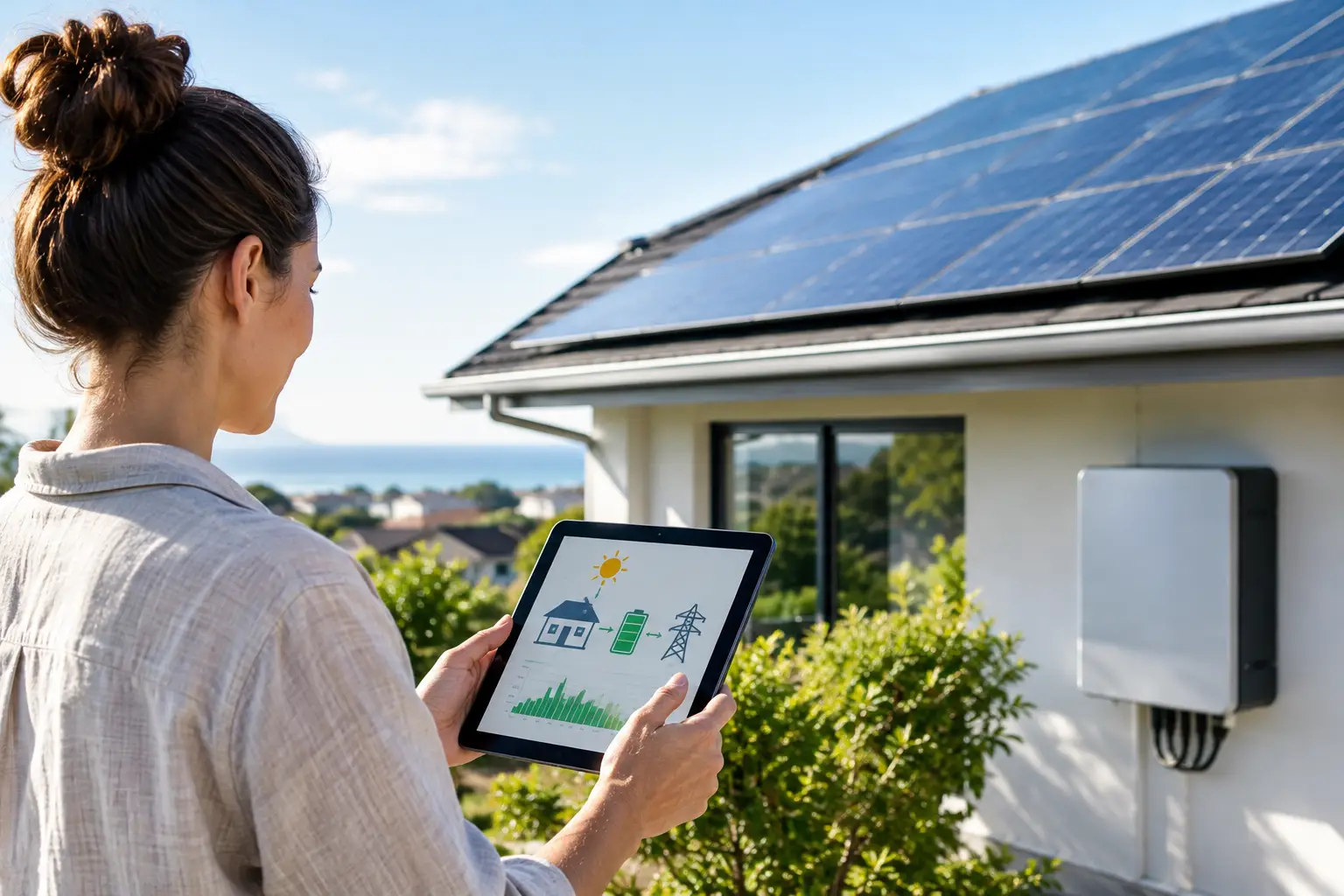
A solar system can produce far more power than your home is using at midday. That sounds ideal, but your local electricity network may limit how much of that surplus you can send back to the grid. This solar export limits guide explains what that means before you choose a system, add a battery or compare inverter options.
For most households, an export limit is not a reason to rule out solar. It is a design factor. The right system can still cut daytime electricity use dramatically, support future battery storage and deliver strong long-term value. The key is matching the system to your consumption, your local network rules and the way you want to use energy.
What are solar export limits?
A solar export limit is the maximum amount of electricity your inverter is allowed to send from your property into the grid at any one time. It is set by the local distribution network, not by the solar retailer or installer.
Networks use these limits to protect local power quality and reliability. In suburbs where many homes have solar, a large surge of exported power can raise voltage on local lines. If voltage rises too high, inverters may reduce output or shut down temporarily to protect the network.
Export limits are usually measured in kilowatts and apply at the connection point for your property. A network might approve a fixed export limit, require a lower limit in a constrained area or offer a flexible arrangement where your export level can change at certain times. The exact rules differ between states, networks and even neighbouring streets.
An export limit does not usually cap how much solar energy your panels can generate. It caps the amount that can leave your home. Your household appliances can still use solar power as it is produced, and a compatible battery can store surplus energy rather than sending it to the grid.
Why export limits matter when sizing solar
The most common misunderstanding is that a lower export limit means you need a smaller solar system. Sometimes that is true, but often it is not.
A system should first be sized around your electricity usage profile. A family working from home, running a pool pump during the day or charging an EV may use a substantial amount of solar directly. In that case, a larger system can make sense even when exports are limited because much of the generation is consumed on-site.
Consider a home with an approved export limit below the system’s potential output. In the middle of a clear summer day, the panels may be generating strongly while the house is using only a small amount. The inverter will export up to the approved limit. Any additional surplus needs to be used by the home, stored in a battery or curtailed by the inverter.
Curtailment simply means the inverter reduces solar output when there is nowhere for the extra power to go. It is not a fault. It is the system following the network connection conditions.
That trade-off is why system design matters. A larger solar array may produce more energy in the morning, afternoon, winter and cloudy conditions, even if some midday generation is occasionally curtailed. For another household with very low daytime use and no battery plans, a more modest system may deliver a better fit. There is no one-size-fits-all answer.
Export limit versus inverter size
Your inverter size and export limit are related, but they are not the same thing. The inverter converts the panels’ DC electricity into usable AC electricity. Its output capacity affects how much solar power your home can use at a given time.
The export setting is a separate control that tells the inverter how much surplus can flow to the grid. A home may have an inverter capable of supplying more power to appliances than it is allowed to export.
This distinction can be valuable for households planning to electrify. If you expect to add an EV charger, replace gas appliances with efficient electric alternatives or install a battery, a well-sized solar system may support those loads without requiring high grid exports.
How networks set export conditions
Before installation, your solar provider applies to the local network for connection approval. The network reviews the proposed system, the local transformer capacity, voltage conditions and existing solar penetration in the area. It then provides the connection requirements.
In some locations, the process is straightforward and the standard export allowance is approved. In others, the network may offer a lower fixed limit, request export control equipment or provide a flexible export option. Flexible arrangements are becoming more common as networks look for ways to connect more solar without expensive upgrades to every local line.
Under a flexible export arrangement, you may be allowed to export more at times where the network has capacity and less when the grid is under pressure. A compatible inverter and communications setup are usually required. This can be a smart option, but it is worth understanding how the arrangement works in your area and whether it suits your energy habits.
For three-phase properties, the network may assess export across phases as well as at the total connection point. Commercial sites can face more detailed requirements because their systems and loads are larger. A quality installer should explain the approved conditions clearly before the system is commissioned.
Ways to get more value from solar with an export limit
The strongest response to an export limit is usually to increase self-consumption – using more of your solar energy behind the meter instead of relying on grid exports.
Start with timing. Run high-energy appliances when the sun is producing. Dishwashers, washing machines, pool pumps and some hot-water systems can be scheduled for daylight hours. Smart timers and energy-management features make this easier without changing your routine every day.
EV charging can be particularly useful. If your vehicle is at home during the day, a solar-aware charger can adjust charging to available generation. That turns surplus solar into kilometres travelled rather than low-value exports or curtailment.
A battery is another option, particularly for homes that use most of their electricity in the evening. It can store excess solar for use after sunset, reduce grid reliance and help your system make better use of energy that would otherwise be limited. Battery suitability depends on your evening consumption, expected solar surplus, backup-power goals and network requirements. It is not automatically the right next step for every home.
Some households also benefit from smart hot-water control. Using solar to heat water during the day can shift a meaningful load away from the evening and improve overall solar self-consumption.
Can you install a larger system than your export limit?
Often, yes. But it must be designed and approved properly.
A larger system may be worthwhile where daytime electricity use is high, future electrification is planned or the property has room for battery storage. It may also generate useful energy outside the short midday window when export limits are most likely to matter.
However, bigger is not always better. If a property is empty during the day, has low electricity demand and will not add a battery, significant curtailment can reduce the benefit of additional panels. Roof orientation also matters. East- and west-facing panels spread production across the day, which can better match household use than placing every panel on a north-facing roof.
The practical question is not, “What is the highest system size I can fit?” It is, “What system will produce the most useful energy for this property?” A tailored assessment should consider your bills, interval data where available, roof layout, shading, electrical supply, planned appliances and the network’s connection offer.
What to ask before approving your solar design
Do not leave export conditions as an afterthought. Ask whether your proposed system has been assessed for your exact address and what export limit has been approved. Confirm whether the design includes the required export control and whether the inverter is compatible with any flexible export conditions.
It is also sensible to ask how the system will perform if you add a battery, EV charger or electric hot-water system later. A future-ready design can save disruption and make it easier to use more of your own solar generation as your energy needs change.
For businesses, the conversation should go further. Operational hours, refrigeration, machinery, fleet charging and demand patterns can make on-site solar use far more valuable than export capacity alone. Commercial solar design should be based on actual load data, not panel count.
A better solar decision starts with the connection offer
Export limits can sound restrictive, but they are simply part of connecting a modern solar system to a busy local grid. With the right design, they do not stop you from reducing electricity use, powering more of your home or business from the sun and preparing for a battery or EV.
Solar Miner helps customers assess their usage, roof and connection requirements before recommending a system built for practical savings. The best result is not the biggest system on paper. It is the one that puts more clean energy to work where it matters most – at your property.