
 1300 285 885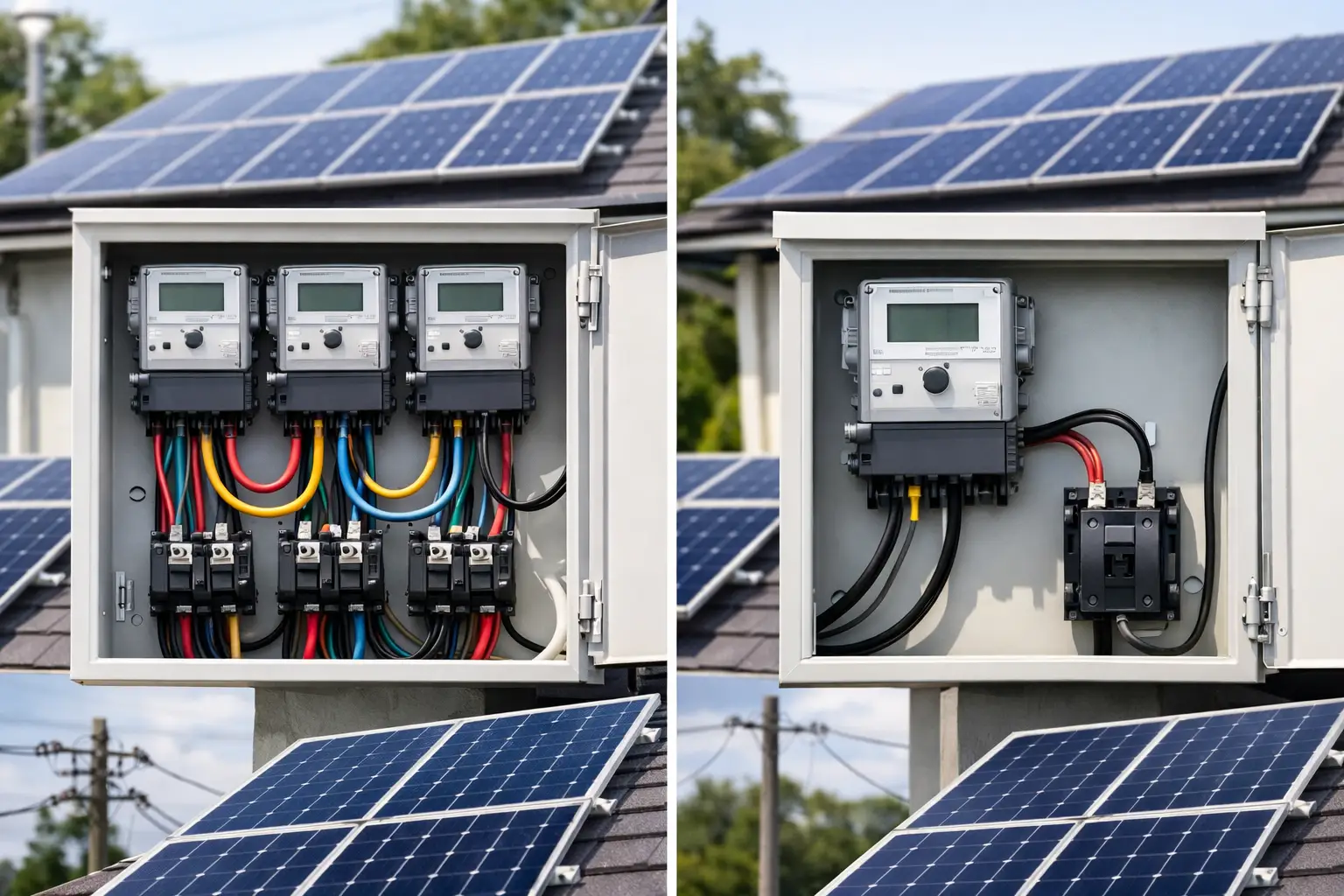
A solar system can look perfect on paper and still be poorly matched to the power coming into your property. That is why three phase vs single phase is one of the first questions worth answering before choosing panels, an inverter, battery storage or an EV charger.
For most Australian homes, single phase power is entirely suitable. But if you run larger equipment, have high daytime energy use, are planning a sizeable solar system, or want to electrify more of your home or business, three phase may offer more flexibility. The right answer comes down to your existing supply, how you use energy and where your property is heading next.
What is single phase power?
Single phase power is the standard electrical supply for many homes. It delivers electricity through one active wire, with a voltage of around 230 volts between active and neutral. It is designed for everyday household loads such as lighting, refrigeration, televisions, washing machines, pool pumps and standard air conditioning.
A single phase property has one main stream of power to share across its circuits. That does not mean it cannot run solar. A quality solar system can be designed around a single phase connection, including popular residential system sizes, with the inverter converting solar generation into usable power for the home and grid.
The practical limitation is capacity. When several high-demand appliances operate at once, a single phase supply can reach its limits sooner. Think ducted air conditioning, an induction cooktop, electric hot water, a pool heater and EV charging all drawing power in the same window. The issue is not that single phase is inferior. It is simply built for a different level of electrical demand.
What is three phase power?
Three phase power delivers electricity across three active wires. Each phase is offset from the others, allowing the supply to carry and distribute more power efficiently. In Australia, three phase supply is commonly associated with larger homes, workshops, farms, commercial premises and industrial sites. It generally provides about 400 volts between phases.
Rather than placing every major load onto one supply line, electrical circuits can be spread across three phases. This supports larger motors and machinery, while helping balance demand across the property. A three phase site can still have ordinary household circuits. It simply has more capacity available to allocate.
For solar, a three phase connection usually allows a three phase inverter to distribute generation across all phases. This can be a strong fit for properties with significant daytime consumption or multiple high-load appliances operating at the same time.
Three phase vs single phase: the key solar difference
The main difference is not how much sunshine reaches your roof. It is how much electricity your property can safely import from, and export to, the grid at any one time.
Your local electricity distributor sets connection and export rules for each area. These rules can affect the solar inverter size approved for your property and the amount of energy you can export. Single phase connections may have lower limits than three phase connections, although the exact allowance depends on your network, location and switchboard setup.
This is why choosing a solar system is more than selecting a panel count. A good design considers your phase supply, historical energy use, roof layout, likely export limits and future loads. Installing more panels without addressing an inverter or connection constraint may not deliver the outcome you expect.
There is also a difference in how loads are handled. On a single phase property, all consumption and solar generation sit on the same phase. On a three phase property, energy demand can be divided across phases. A properly designed three phase solar system is intended to work with that distribution, but the exact behaviour of imports, exports and battery backup depends on the inverter, meter configuration and local network requirements.
When single phase solar makes sense
Single phase solar is a smart, proven option for many households. If your power use is typical for a medium home, your biggest loads are staggered through the day and you are installing solar primarily to offset daytime bills, there may be no practical reason to change your electrical supply.
A well-sized system can power daytime appliances directly, reduce grid imports and create a strong foundation for a battery or EV charger later. The focus should be on matching the system to real consumption, rather than assuming a larger or more complex connection is automatically better.
Single phase can be particularly suitable when you have a modest roof, limited switchboard space or no plans for heavy electrical equipment. It can also be a practical choice for households that want a straightforward solar upgrade now and prefer to review future electrification once their energy habits change.
When three phase is worth considering
Three phase is worth a closer look when your property already has it, or when your electricity plans are becoming more ambitious. Large homes with multiple air conditioners, heated pools, workshops, substantial pumping equipment or electric vehicle charging can benefit from the extra capacity and load distribution.
It is also a natural fit for many businesses. Cafes, retail sites, offices, warehouses, medical practices and light industrial facilities often have equipment that creates higher, more consistent daytime demand. Solar can directly offset that demand while the business is operating, which is where commercial systems can make a meaningful difference to energy costs.
For larger commercial and industrial solar systems, three phase is generally expected. The electrical design needs to account for machinery loads, operating hours, switchboard capacity, metering and network approval conditions. This is not a one-size-fits-all installation. Site assessment and professional system design matter.
Three phase may also be sensible for homeowners planning to move away from gas. An all-electric home with reverse-cycle heating and cooling, induction cooking, heat-pump hot water and one or more EVs can have a very different load profile to a conventional home. Planning the electrical side early can prevent avoidable upgrades later.
Do you need to upgrade from single phase to three phase?
Not necessarily. A three phase upgrade can add capacity and future flexibility, but it is not automatically required for solar, batteries or EV charging. The decision depends on whether your present supply can handle your expected loads and whether your distributor’s connection rules limit the solar system you want to install.
Before considering an upgrade, have your property assessed. An installer and qualified electrician can review the main switchboard, service connection, existing circuits, major appliances and planned additions. They can identify whether your current setup is suitable, whether circuits need upgrading, or whether a move to three phase would genuinely improve the result.
Some upgrades also involve distributor approvals and changes to metering or the incoming supply. These are site-specific electrical works, not just a solar add-on. The best path is the one that supports your energy goals without paying for capacity you will never use.
Batteries and EV chargers: where phase supply matters
Batteries and EV chargers make the phase question more relevant because both can increase electrical demand and change how you use solar energy.
A battery stores excess solar for use after sunset, during peak demand periods or when grid energy is less favourable. On a single phase property, battery integration is often relatively straightforward. On a three phase property, the right setup depends on whether the battery inverter supports all phases, what you want backed up during an outage and how your household loads are arranged.
Backup is a separate design conversation. Not every battery provides whole-home backup, and not every three phase property can keep every circuit running during a blackout. Essential-load backup, three phase backup capability and switchboard design all need to be confirmed before installation.
EV charging is similar. A standard home charger can suit single phase supply, while three phase charging can support higher charging capacity where the vehicle, charger and electrical connection allow it. If you are adding an EV, solar and battery at the same time, designing them as one energy system gives you more control over daytime solar use and future expansion.
How to check what supply your property has
The simplest starting point is your switchboard. A label may indicate single phase or three phase, and a three phase main switch is often physically wider than a single phase switch. Your electricity bill, meter information or existing electrical plans may also provide clues.
However, do not rely on a quick visual check before making a solar decision. Older switchboards, previous renovations and mixed circuits can make things less obvious. A professional site inspection confirms the supply type, condition of the switchboard and what is realistically possible for solar equipment.
Choose a system for the property you are building towards
The best solar system is not just sized for last year’s electricity bill. It should reflect the appliances you own, the way you use power during the day and the changes you expect over the next several years.
For a typical household, a quality single phase solar system may be exactly what is needed. For high-consumption homes, expanding businesses and sites with serious electrical loads, three phase can create more room to grow. Solar Miner helps assess your supply, consumption and future plans so your solar design is built around practical savings, reliable technology and the energy needs that matter to you.