
 1300 285 885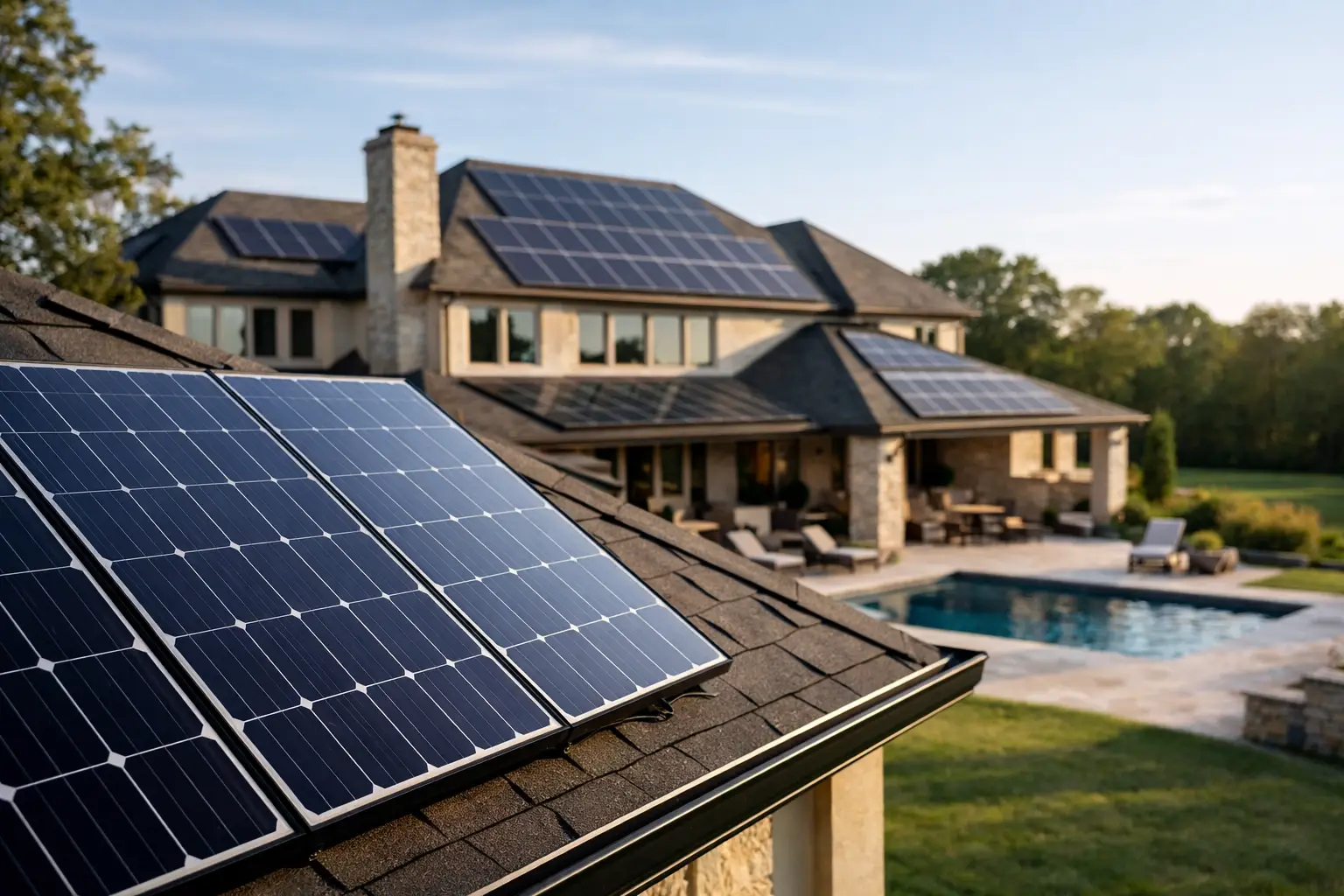
A large household can burn through a surprising amount of power before breakfast. Ducted air conditioning, a pool pump, multiple fridges, home offices and a growing collection of devices all add up. For many households, 13.2kW solar for large homes is a smart way to take control of high daytime energy use and reduce reliance on the grid.
It is a substantial system, but bigger is not automatically better. The right solar size depends on when your household uses electricity, how much clear roof space you have, your local network requirements and whether a battery or EV is part of your plans. A properly designed 13.2kW system can deliver strong long-term value when it is matched to the way your home actually runs.
What does a 13.2kW solar system mean?
The 13.2kW rating refers to the combined capacity of the solar panels under standard test conditions. Depending on the panel wattage selected, a system of this size may use around 30 modern 440W panels, although final panel numbers and layout will vary by product, roof shape and site conditions.
In strong Australian conditions, a well-positioned 13.2kW system can often generate roughly 45kWh to 60kWh or more on a good day. Production changes through the year, however. Location, weather, panel orientation, shading and roof pitch all affect the result. Summer output may be excellent, while shorter winter days naturally produce less energy.
That is why a system should never be selected on a single generation figure alone. The goal is to generate useful electricity at the times your home can consume it, then build a plan for the surplus.
Who benefits most from 13.2kW solar for large homes?
A 13.2kW system is often well suited to larger family homes with consistently high electricity consumption. It can be a strong fit for households running several air conditioners, a pool, electric cooking, multiple occupants working from home or a home business with meaningful daytime demand.
It also makes sense for owners preparing for greater electrification. Replacing gas appliances with efficient electric alternatives, adding an electric vehicle charger or installing a heat-pump hot water system can increase power use. Planning ahead can help avoid the inconvenience of expanding an undersized system later.
Daytime usage matters most. If the home is empty from morning until evening and most electricity is used after sunset, a large solar array alone may export a considerable share of its generation. That does not rule out a 13.2kW system, but it makes battery storage, load shifting or smart appliance scheduling more relevant.
Your roof needs more than enough space
A system this size needs a meaningful area of clear, usable roof. As a broad guide, around 55 to 70 square metres may be required, depending on the panel dimensions and the final layout. A large roof does not always equal an easy installation, though.
Complex rooflines, vents, skylights, chimneys and sections facing different directions can influence the design. Shade from neighbouring homes, tall trees or television antennas can also reduce output. Even partial shade on a section of panels can affect generation if the system is not designed carefully.
North-facing panels remain highly productive, but east and west roof faces can be valuable too. East-facing panels begin generating earlier in the day, while west-facing panels can better support afternoon cooling loads. For a busy household, spreading panels across suitable roof aspects may align generation more closely with real consumption than placing every panel on one face.
The inverter and network connection matter
Panels are only one part of the system. The inverter converts solar energy into usable electricity, and its size must suit the approved design, your switchboard and local distribution network rules. Some homes may require switchboard upgrades, metering work or other electrical improvements before installation.
Export limits are another important consideration. Australian network providers can limit how much solar energy a property is allowed to send back to the grid, and these limits differ by area. A large system can still be worthwhile under an export limit because the home can use solar power directly during the day. It simply means the design should focus on maximising self-consumption rather than relying on exports.
Homes with three-phase power may have different connection considerations from single-phase homes. A quality site assessment identifies these details early, helping prevent surprises after the system has been selected.
Should you add a battery to a 13.2kW system?
A battery is not essential for every large solar installation, but it can be a practical addition where evening and overnight demand is high. It stores excess daytime solar for later use, helping households run appliances after dark with less grid electricity.
The best battery size depends on your overnight usage, not simply the size of the solar array. A home with modest night-time consumption may not need a large battery, while a family running air conditioning, cooking appliances and entertainment devices well into the evening may benefit from more stored energy.
Battery-ready planning is also an option. Installing a solar system with future battery compatibility can give you flexibility to add storage when your usage, household needs or energy strategy changes. If blackout protection is important, ask specifically about backup capability. Not every battery system automatically powers the home during an outage, and backup circuits may be required.
Get more value by using solar while it is generating
The easiest way to make a large system work harder is to move flexible energy use into daylight hours. Timers and smart controls can run pool pumps, hot water systems, dishwashers and washing machines when solar production is strongest. An EV charger can also be scheduled to take advantage of daytime generation where your routine allows it.
This does not mean changing every habit around the solar system. It means identifying the major loads you can shift without hassle. A household that uses more of its own solar generation is generally less exposed to changing export conditions and gets stronger practical value from the system.
Air conditioning deserves special attention. Large homes commonly need cooling when the sun is at its strongest, which can make a 13.2kW system particularly useful. Good insulation, sensible thermostat settings and zoning still matter, but solar can offset a meaningful portion of daytime cooling demand.
How to tell if the size is right for your household
Start with at least 12 months of electricity bills or interval data if it is available. Look beyond total consumption and identify the pattern: how much power is used during the day, how much is used overnight, and whether seasonal air conditioning creates large summer peaks.
Then consider changes likely over the next few years. A new EV, a growing family, a pool, more work-from-home days or a move towards electric appliances can all change the right system size. Designing for your likely future use is usually more sensible than sizing solely around last year’s habits.
A quality solar recommendation should account for your roof, shading, switchboard, local grid rules, preferred equipment and energy goals. It should also explain what the system can realistically achieve rather than promising identical output every day of the year. Trusted components, professional installation and clear warranties matter just as much as panel capacity.
Make a large system a considered investment
A 13.2kW solar system can be an excellent fit for a high-use home, especially where daytime demand is already strong or electrification plans are underway. It offers the capacity to support a more comfortable, all-electric lifestyle while reducing dependence on purchased grid energy.
Before you commit, have your energy use and roof assessed by an experienced installer. Solar Miner helps Australian households match quality solar, battery and EV charging solutions to the way they live, with support for system design, installation and available STC incentives. The right system is the one that keeps working for your household long after installation day.