
 1300 285 885
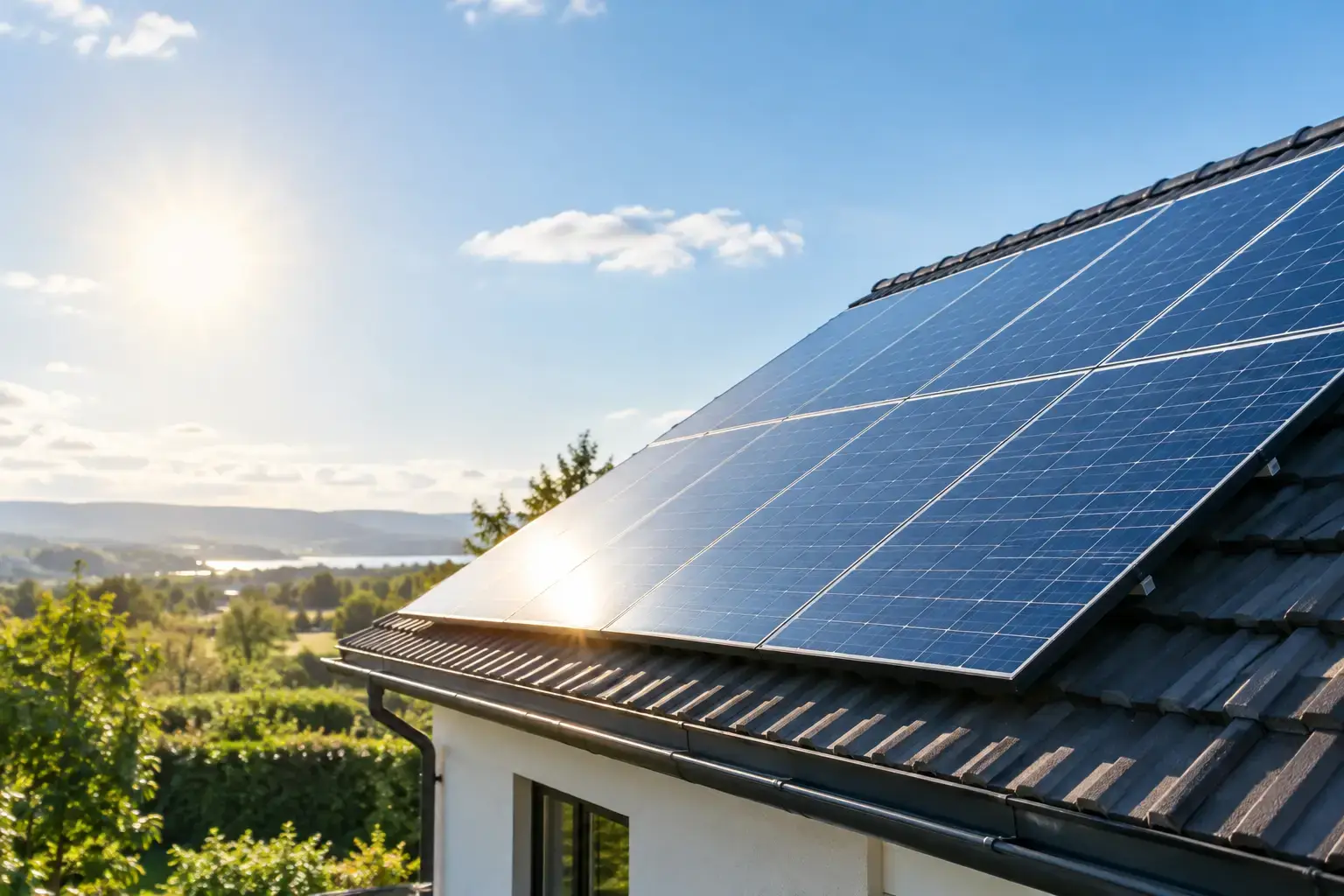
A bright Australian afternoon does not automatically mean maximum solar generation. What affects solar output is the way sunlight reaches your panels, how the system is designed, and when your property uses electricity. Get those fundamentals right and solar can do far more than look good on the roof – it can make a meaningful dent in your power bills for years to come.
For homes, businesses and larger sites, the goal is not simply to install the biggest possible system. It is to install a quality system that produces strongly across the day and suits your energy habits. Here is what genuinely changes the result.
What affects solar output most?
Solar output is the electricity your panels generate, usually measured in kilowatt-hours (kWh). A system’s kilowatt rating tells you its potential capacity under standard test conditions. Real roofs are different. They get hot, have varying orientations, may be partly shaded and receive changing weather throughout the year.
The biggest influences are available sunlight, panel direction and tilt, shading, temperature, system design, equipment quality and maintenance. Your household or business load does not change how much the panels generate, but it does change how much value you receive from that generation. Using solar power while it is being produced is usually the strongest way to reduce grid electricity use.
Sunlight hours and local weather
Australia has excellent solar resources, but output still varies from state to state, season to season and day to day. Queensland and Western Australia may enjoy long, sunny stretches, while Melbourne weather can be more changeable. Every location has productive solar days, but annual generation estimates should reflect the specific suburb and roof, not a broad national average.
Cloud does not stop solar panels working. Panels still generate in overcast conditions because diffuse light reaches their cells, although output will be lower than under clear skies. Heavy rain, smoke haze, dust storms and extended periods of dense cloud can also reduce generation temporarily. That is normal, not a sign that the system has failed.
Winter days are shorter, so solar generation is generally lower than in summer. Yet cooler sunny weather can help panel efficiency. This is why a well-designed system is assessed over a full year rather than judged by one hot January day or one grey week in July.
Roof direction and panel angle
In Australia, north-facing panels typically produce the highest total annual generation. East-facing panels produce more in the morning, while west-facing panels generate later in the afternoon. Neither east nor west is automatically a poor choice. The right layout depends on when you use electricity.
A family that runs appliances early, works from home or charges an EV before midday may benefit from a stronger east-facing contribution. A business with late-afternoon demand, or a household that returns home and starts cooking after work, may gain more practical value from west-facing generation. Splitting panels across east and west can spread output across more of the day, even if the annual total is slightly lower than a purely north-facing array.
Tilt matters too, but it is rarely the first issue to solve. A suitable roof pitch usually performs well. Flat commercial roofs may use mounting systems to set an effective angle and prevent one row of panels shading another. The best design balances annual generation, wind considerations, roof space and the site’s daytime demand.
Shade can have an outsized effect on solar output
Shade is one of the most common reasons a system produces less than expected. It might come from a mature gum tree, a neighbour’s second storey, a chimney, a vent pipe, antennas or even accumulated leaf debris. The tricky part is that shade moves. A roof can look clear at 10 am and be partly shaded by 3 pm.
Modern panels and inverters are designed to manage variable conditions, but shade still needs careful planning. A single shaded section can affect the performance of panels connected in the same string, depending on the system layout. In some cases, optimisers or microinverters may be worth considering to help reduce the impact of complex or recurring shade. They are not essential for every roof, so the decision should follow a proper site assessment rather than a one-size-fits-all recommendation.
Trimming vegetation where appropriate, keeping panels clear of overhanging branches and placing modules away from known obstructions can protect production. For commercial properties, nearby future developments should also be considered before finalising the design.
Heat reduces efficiency, even in sunny conditions
Solar panels need sunlight, but they do not perform at their best when they become extremely hot. As panel temperature rises above standard testing conditions, electrical efficiency falls. That means a clear 40-degree day can produce impressive energy overall, yet the panels may not reach their nameplate output at the hottest point of the afternoon.
Good airflow beneath roof-mounted panels helps limit heat build-up. Panel selection also matters, as different technologies have different temperature coefficients. This is one reason quality equipment and an experienced installation team matter. A system should be chosen for Australian roof conditions, not just the headline wattage on a specification sheet.
Equipment and system design determine how much potential becomes power
Panels receive most of the attention, but the whole system works together. The inverter converts the panels’ direct current into usable alternating current for your property. Its capacity, efficiency, placement and configuration influence performance. A poorly matched inverter can limit generation, while the right design helps the system operate effectively through changing light levels.
Panel layout is equally important. Roof size, usable roof sections, safety setbacks and obstructions determine how many panels fit and where they should go. For a larger home, a small business or an industrial facility, the design must also account for the site’s electricity profile. A system that generates heavily when the building is empty may export more energy, while a layout that aligns with operating hours can offset more on-site consumption.
Battery storage does not increase the amount of solar your panels create. What it can do is store surplus generation for use later, helping you rely less on the grid after sunset or during high-demand periods. For properties with strong daytime solar production and evening consumption, a battery can change how much of that output is used on site.
Your switchboard, meter arrangement and any export limits can also shape the final setup. In some areas, networks limit how much energy can be exported to the grid. That does not make solar unsuitable, but it can affect system configuration and make self-consumption planning even more valuable.
Your energy habits affect solar savings
There is a key difference between solar output and solar value. Two identical systems on neighbouring homes may generate similar energy, but their owners can see very different bill outcomes. The difference often comes down to when electricity is consumed.
Running the dishwasher, washing machine, pool pump or air conditioning during solar hours can put more of your own generation to work. Businesses can often benefit by scheduling suitable loads during the day, particularly where refrigeration, equipment, office air conditioning or EV fleets are part of normal operations.
Smart controls, timers and compatible EV chargers can make this easier without changing daily routines. The aim is practical: use clean electricity when your roof is making it. If your usage is mostly in the evening, a battery may be worth assessing alongside a solar system.
Monitoring and maintenance keep performance visible
A solar monitoring app gives you a useful view of daily, monthly and annual generation. It helps you spot patterns, compare output with seasonal expectations and identify sudden changes that may need attention. Do not panic over a single low-output day. Look for a sustained drop when weather conditions have been similar.
Panels are generally low maintenance. Rain often removes ordinary dust, but dry, dusty areas, coastal salt spray, bird droppings or nearby construction can create more build-up. Cleaning should be done safely and only when needed. Never climb onto a roof without proper safety equipment.
It is also wise to have electrical components checked if monitoring shows unusual behaviour, the inverter reports a fault, or physical damage is suspected after severe weather. Quality products, professional installation and clear warranty support give you greater confidence over the life of the system.
Get a solar design based on your roof, not a generic estimate
The most reliable way to understand expected output is through a tailored assessment. A good proposal considers your roof orientation, shade, available space, local conditions, electricity use and future plans such as an EV, pool, expanded business hours or battery storage.
Solar Miner helps Australian property owners match trusted solar technology with the way they actually use power. The right system is not defined by a single number. It is a considered design that produces reliably, supports your energy goals and gives you more control over future electricity bills.
Before you decide, check your recent electricity usage, note when the property uses the most power and look honestly at shade across the roof throughout the day. Those few details give your solar design a far better starting point – and help turn every available hour of sunshine into useful energy.