
 1300 285 885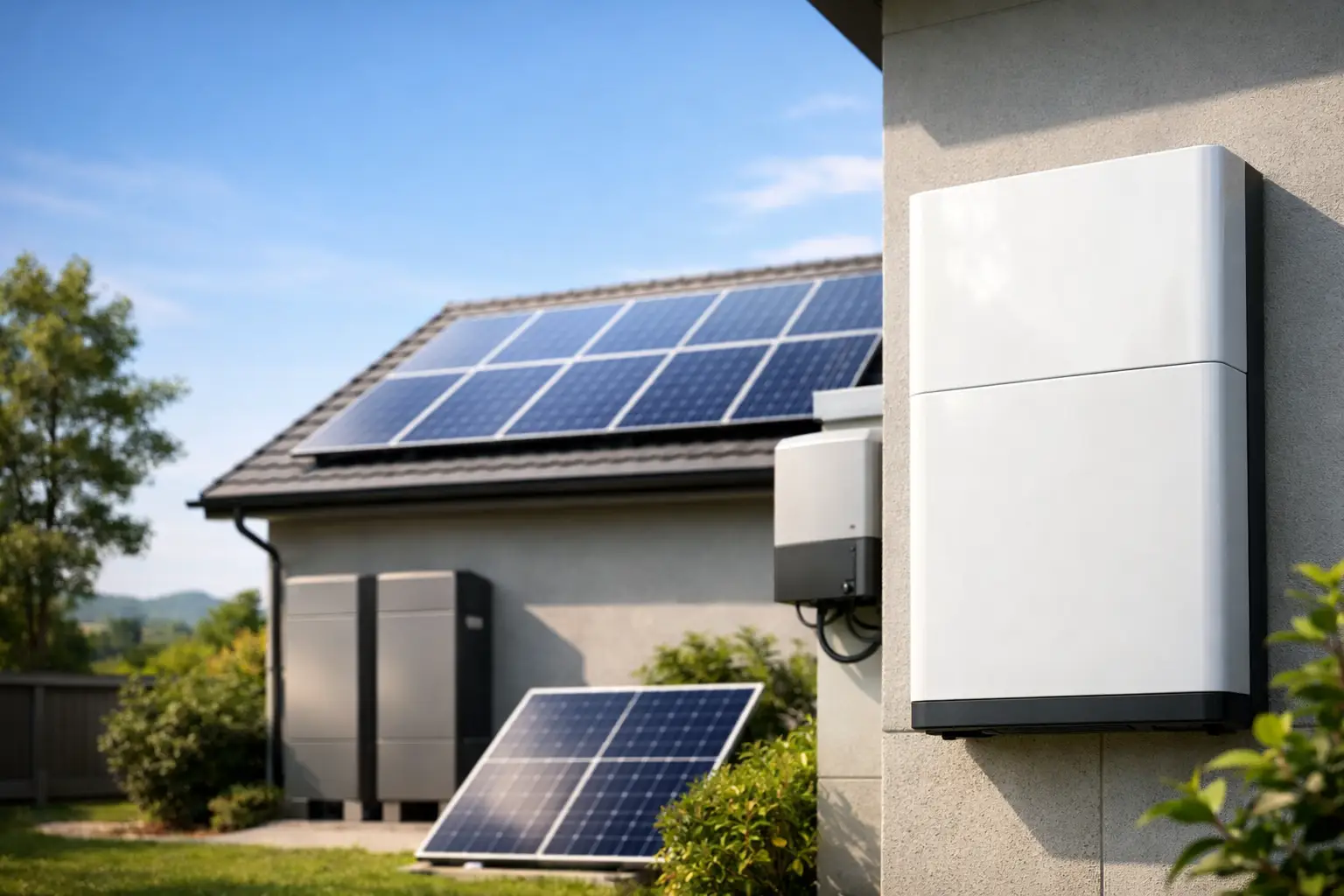
If you have already put solar on your roof and still feel the sting of high evening power bills, a battery is the next logical step. Interest in the solar battery rebate NSW households are searching for has grown fast for one simple reason – people want to keep more of their solar, rely less on the grid, and make every kilowatt count.
That interest is justified. A battery can shift your unused daytime solar into the hours when electricity is typically most expensive and your home is using the most power. But rebates, incentives and battery eligibility rules can be confusing, especially when programs change, retailers use different language, and system design has a big impact on the result you actually get.
This guide cuts through the noise. If you are comparing battery options in New South Wales, here is what matters, what to check carefully, and how to tell whether a battery is likely to work in your favour.
What people mean by solar battery rebate NSW
When people search for a solar battery rebate NSW offer, they are usually looking for any government-backed incentive, subsidy, support scheme or finance arrangement that reduces the upfront barrier to installing battery storage. In practice, that can include a direct rebate, a state-based incentive, a virtual power plant offer, finance support, or a broader energy program that makes batteries more accessible.
The key point is this – not every incentive works the same way, and not every household will qualify. Some programs apply only to certain postcodes, income brackets, energy providers, battery brands or participating installers. Others are tied to how the battery will be used, such as joining a virtual power plant or meeting technical requirements around monitoring and grid connection.
That is why broad rebate claims should always be treated carefully. A strong battery outcome depends on the actual program rules, your property setup, and whether the system is sized correctly from the start.
Why battery demand is rising in NSW
NSW homes and businesses are dealing with a familiar problem. Solar panels generate strongly during the day, but a lot of energy use happens in the late afternoon and evening when the sun drops off. If you export plenty to the grid but buy back power later at a higher rate, your solar is helping – but not as much as it could.
A battery addresses that gap. Instead of sending all excess generation out, you store a portion and use it when your household or business needs it most. That can improve self-consumption, reduce exposure to retailer tariff changes, and give you more control over your energy habits.
For some properties, backup capability is also part of the appeal. That matters more in areas where outages are a real concern or where business continuity has value. Still, backup is not standard across every battery setup, and not every installation includes full-home backup. That is one of the many details worth checking before you assume all batteries perform the same way.
Who is most likely to benefit from a battery
A battery is not automatically the right fit for every site. The strongest candidates usually have a solid amount of daytime solar generation, meaningful electricity use after sunset, and a bill pattern that shows plenty of imported grid power in the evening.
Homeowners often benefit most when the household is empty through the day, the solar system exports heavily, and energy use ramps up after work. Small businesses can also be strong candidates if they want to smooth demand, improve solar usage, or add more control over operating costs.
Larger commercial and industrial sites are a little different. For them, battery value may come from load shifting, operational resilience, or better energy management rather than simple household-style savings. The right answer depends on usage patterns, site demand, operating hours and future plans such as EV charging or business expansion.
The biggest mistake people make
The most common mistake is chasing the rebate before checking the system. A battery should never be chosen purely because an incentive exists. If the battery is too small, too large, poorly integrated with your inverter, or mismatched to your usage, the rebate can distract from a poor investment decision.
A good battery recommendation starts with your consumption data, your existing or planned solar system, and your goals. Do you want lower evening bills, more energy independence, some backup support, or room to add EV charging later on? Those answers shape the system far more than a headline offer does.
The second mistake is assuming all installers handle incentives equally well. Battery programs often require approved products, compliant paperwork, network approvals and the right technical design. A retailer that knows the process can make it straightforward. One that does not can leave you with delays, missed eligibility or a system that underperforms.
How to assess a solar battery rebate NSW opportunity properly
If you are reviewing a solar battery rebate NSW program or any battery incentive in NSW, focus on the practical checks that affect the final result.
Start with eligibility. Ask whether the incentive applies to owner-occupiers, landlords, businesses or all three. Confirm whether an existing solar system is required, whether the battery must be installed with new solar, and whether approved brands or installers are mandatory.
Then look at the battery setup itself. Battery capacity matters, but usable capacity matters more. So does charge and discharge behaviour, compatibility with your inverter, backup configuration, monitoring features and warranty terms. A battery that looks attractive on paper can still be the wrong fit if it cannot support the way you actually use power.
Next, ask how the program affects ownership and control. Some offers involve joining a virtual power plant, which can be beneficial for some customers but not ideal for others. You need to understand whether a third party can draw on your stored energy, when that happens, and how that arrangement affects your energy outcomes.
Finally, look at timing. Incentive programs can change quickly. Eligibility windows, participating provider lists and technical requirements do not stay fixed forever. If you are interested, it makes sense to get current advice rather than rely on an outdated article or a broad claim in an ad.
Why system design matters more than the headline incentive
A properly designed battery system can do three important things well. It can capture the right amount of excess solar, supply useful energy when your site needs it, and integrate cleanly with the rest of your equipment.
That sounds obvious, but it is where a lot of battery projects go off track. A home with a modest solar array and low daytime surplus may not charge a large battery consistently. On the other hand, a household with strong solar generation and heavy overnight use may benefit from a more capable setup. The same goes for businesses with distinct operating peaks.
This is why package-based recommendations can be helpful when they are tailored properly. The aim is not to sell the biggest battery available. The aim is to recommend a system size that suits your property, your energy use and your long-term plans.
Should you add a battery now or wait?
That depends on your current setup and your goals. If you already have solar and you are exporting a lot of energy while still buying power in the evening, it may be worth assessing battery storage now. If you are planning a new solar installation, adding battery-readiness into the design can also be smart, even if you choose to install the battery later.
Waiting can make sense in some cases. You may be planning a home extension, a move to electric appliances, or an EV purchase that will change your energy profile. If major usage changes are around the corner, your ideal battery size could shift too.
Still, waiting without a plan is not the same as waiting strategically. The better approach is to get clear advice on what your site can support now, what future upgrades might look like, and whether current incentives or finance options make earlier action more attractive.
What to ask before you commit
Before signing off on any battery proposal, ask the installer how the system is expected to perform on your property specifically. Ask what assumptions they are making about your usage, exports and peak demand. Ask whether the battery includes backup capability, what circuits are covered, and what happens during a blackout.
You should also ask who handles approvals, incentive paperwork and post-installation support. Battery systems are not just another appliance. They are part of your home or business energy infrastructure, and quality support matters.
For customers who want a simpler path, this is where an experienced end-to-end provider stands out. A company such as Solar Miner can assess your site, match the battery to your existing or planned solar, explain incentive pathways clearly, and manage the installation process without making you chase answers across multiple providers.
The real value is control
A battery is not only about chasing a rebate. The real value is having more control over how and when you use the solar you generate. For some households, that means lower reliance on evening grid power. For some businesses, it means better energy management and greater certainty.
The best battery decisions are built on clear numbers, realistic expectations and quality installation. If a rebate helps, that is a bonus. But the smarter move is choosing a system that still makes sense because it fits your property, your usage and where you want your energy setup to go next.
If you are considering battery storage in NSW, the right next step is not guessing – it is getting your site assessed properly so the system works as hard as your solar already does.